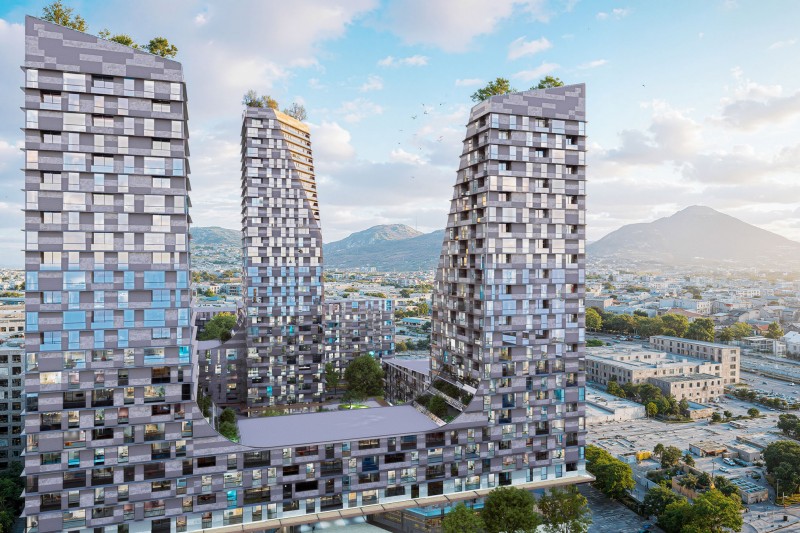
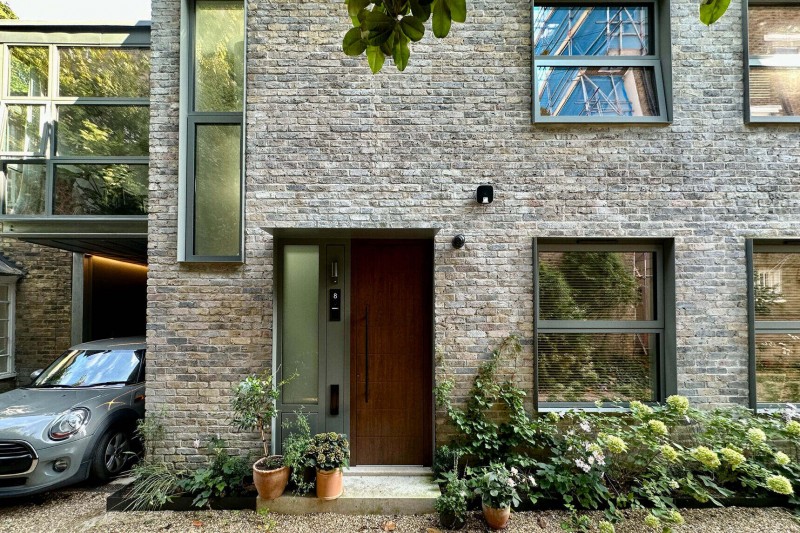
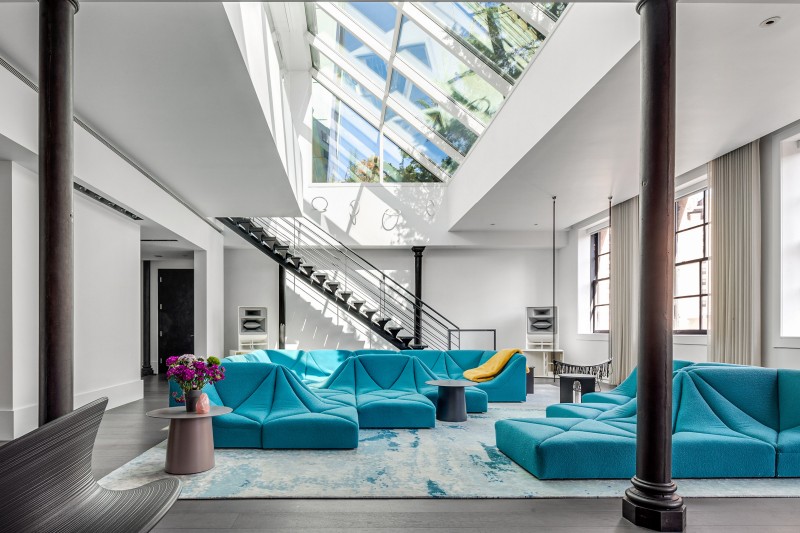
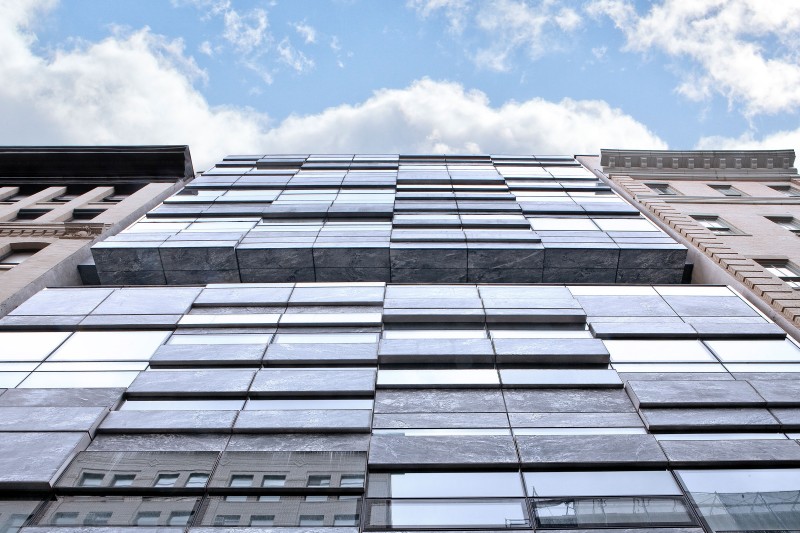
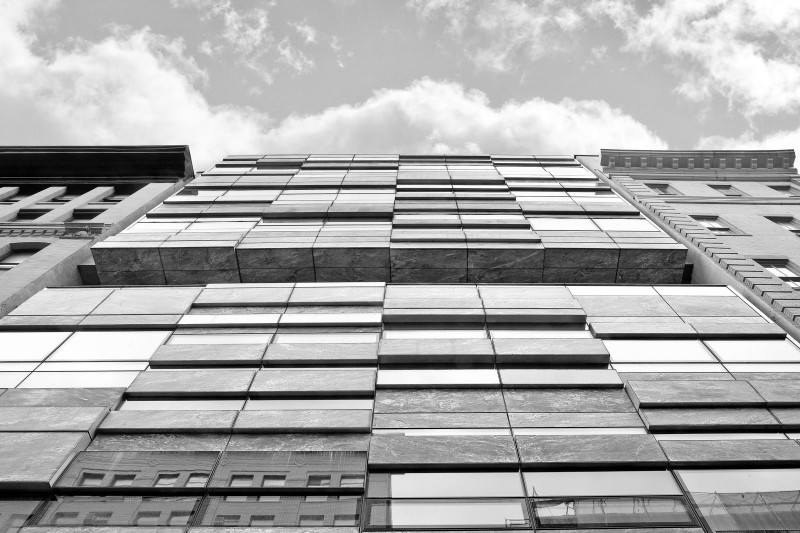
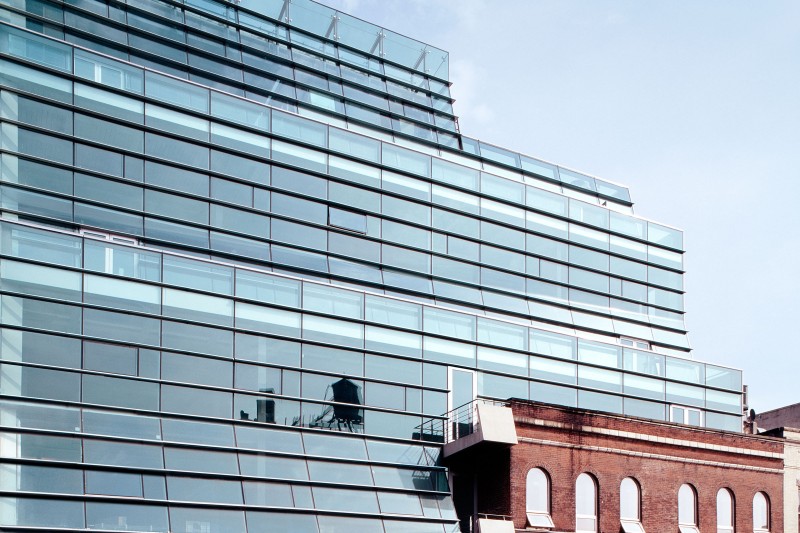
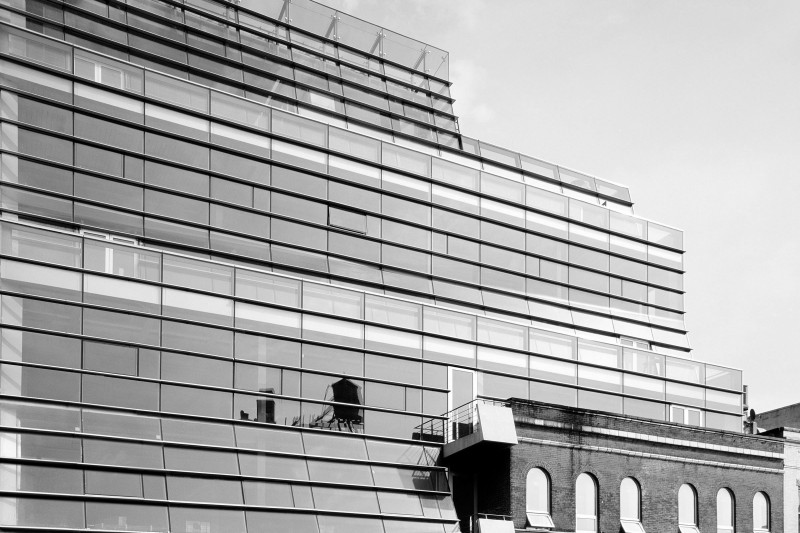
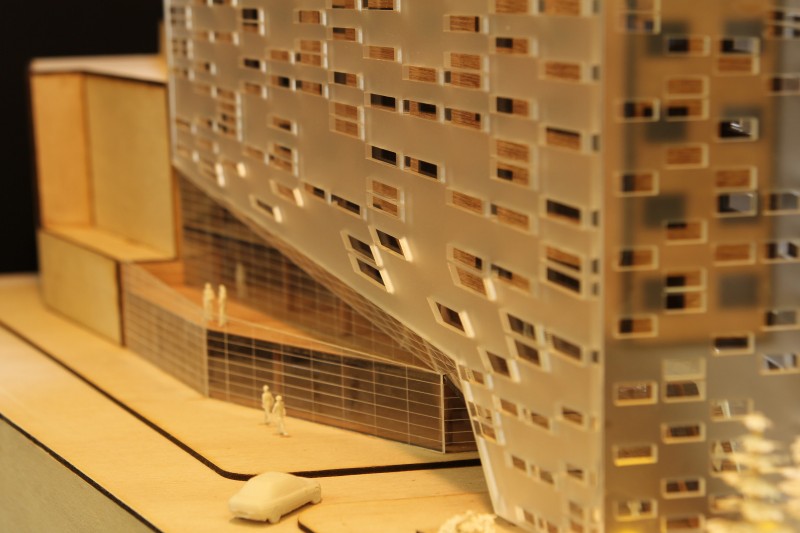
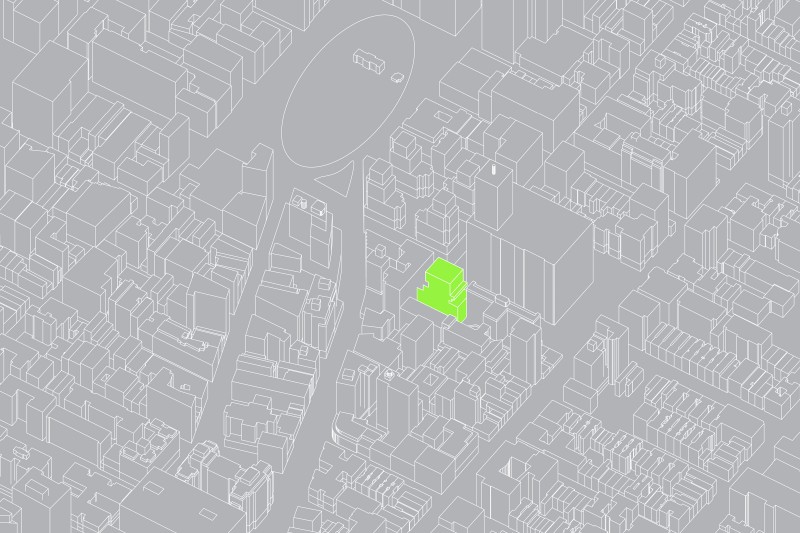
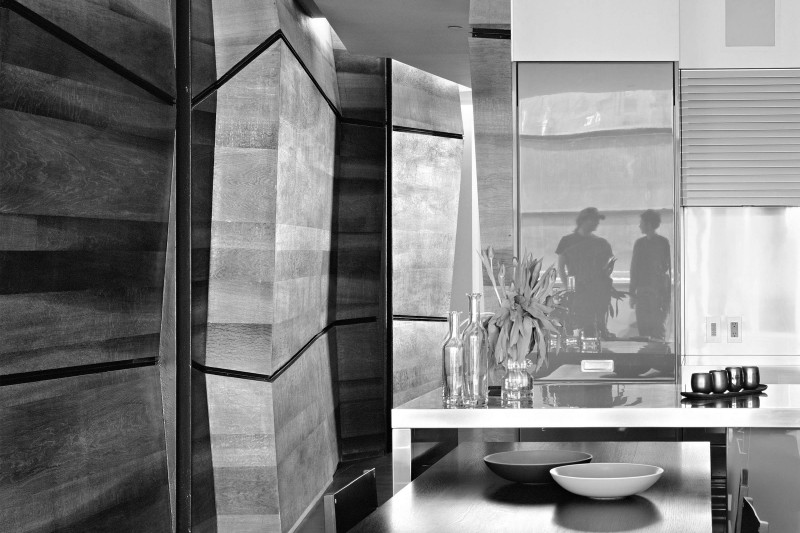
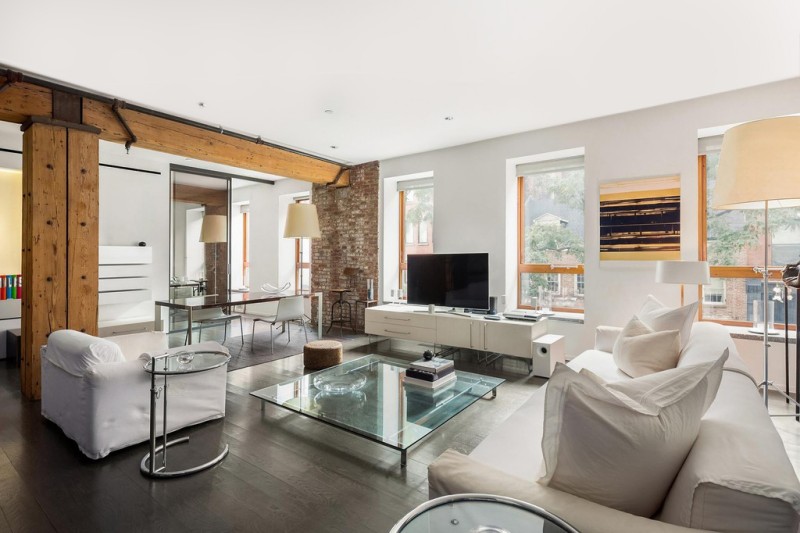
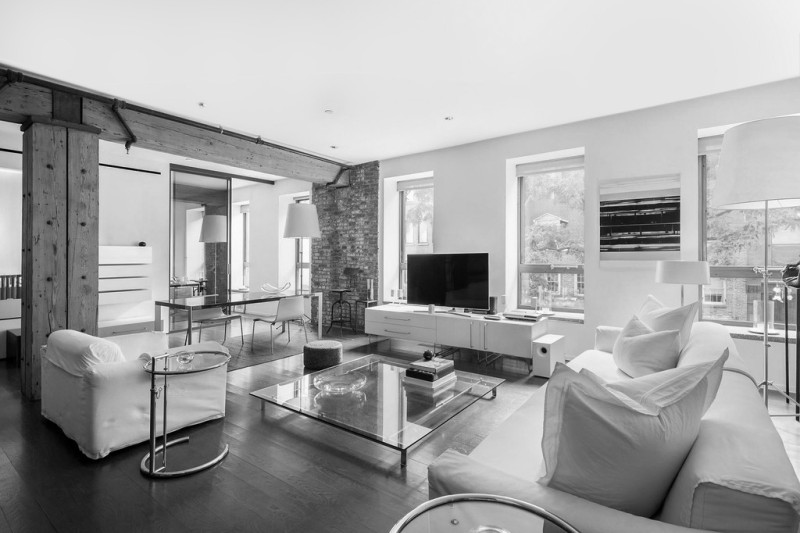
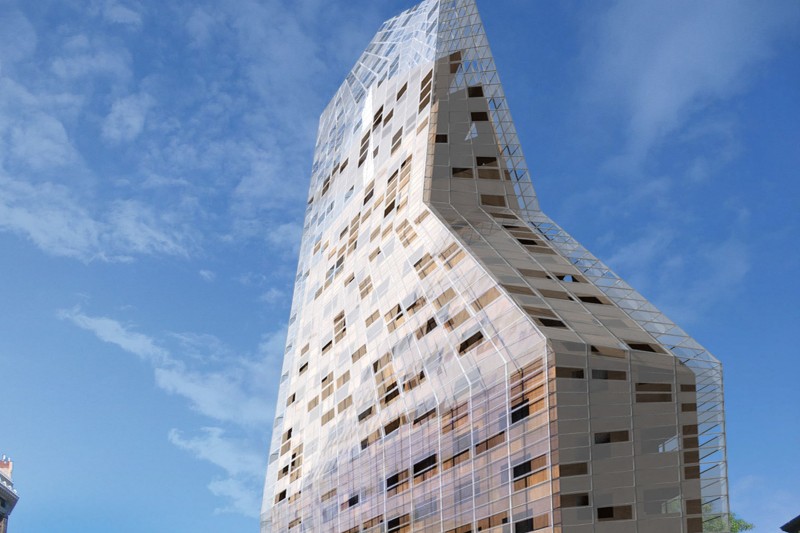
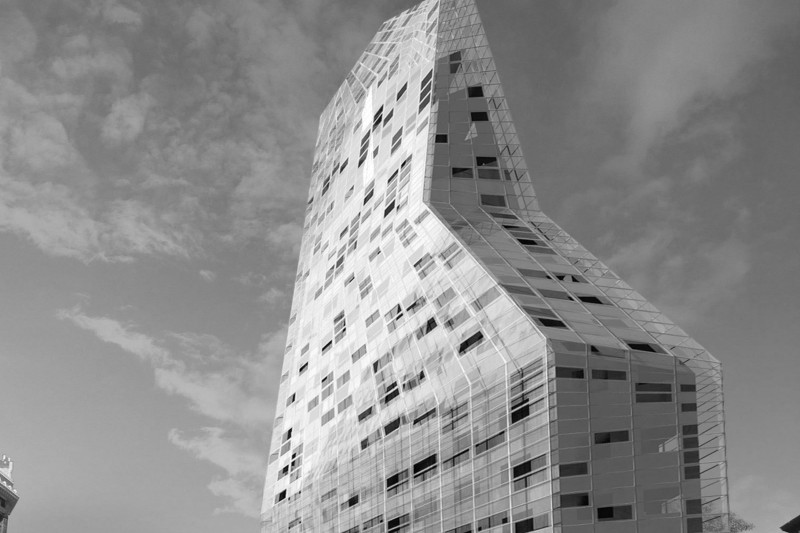
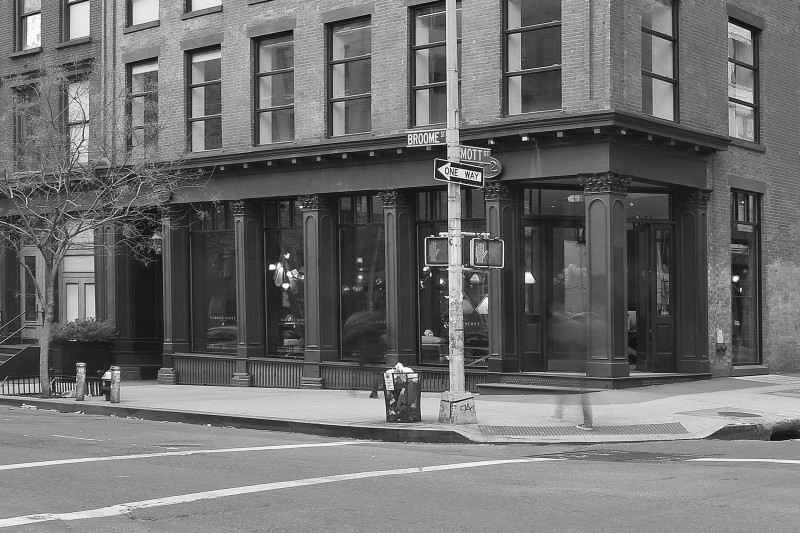
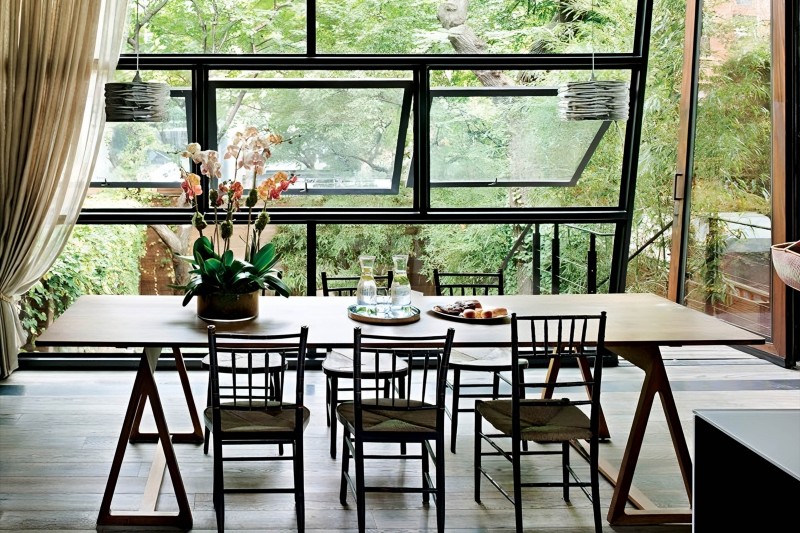
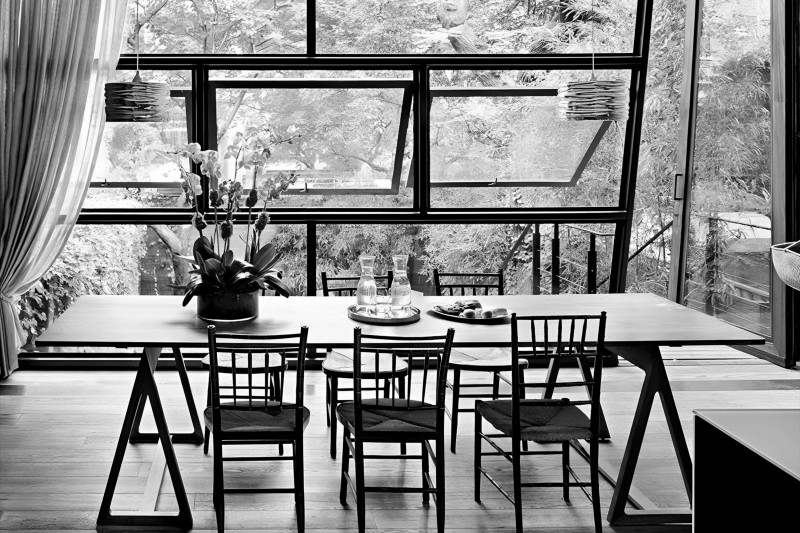
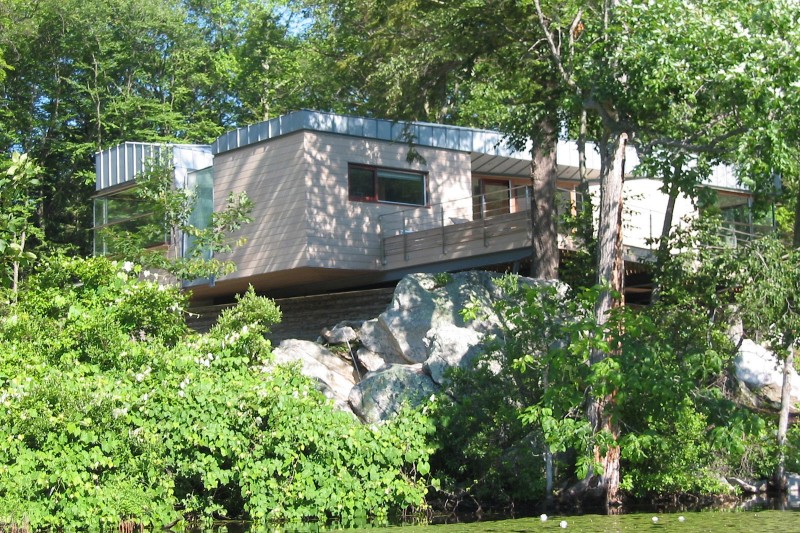
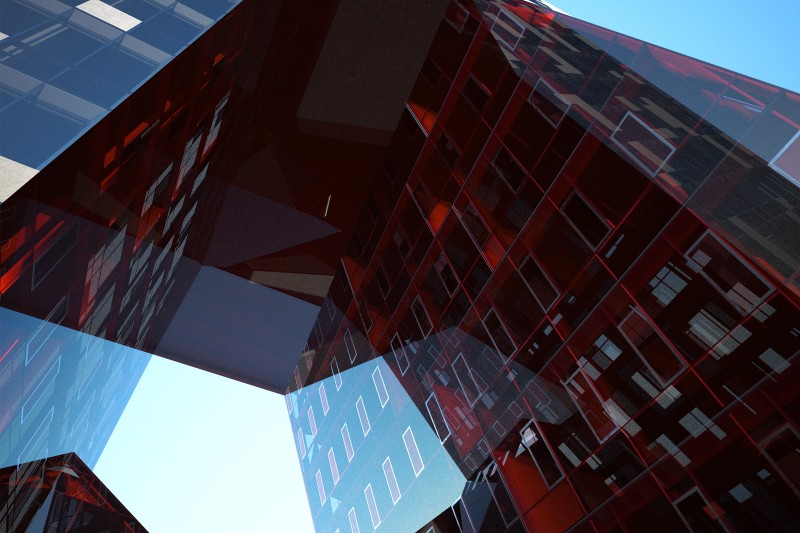
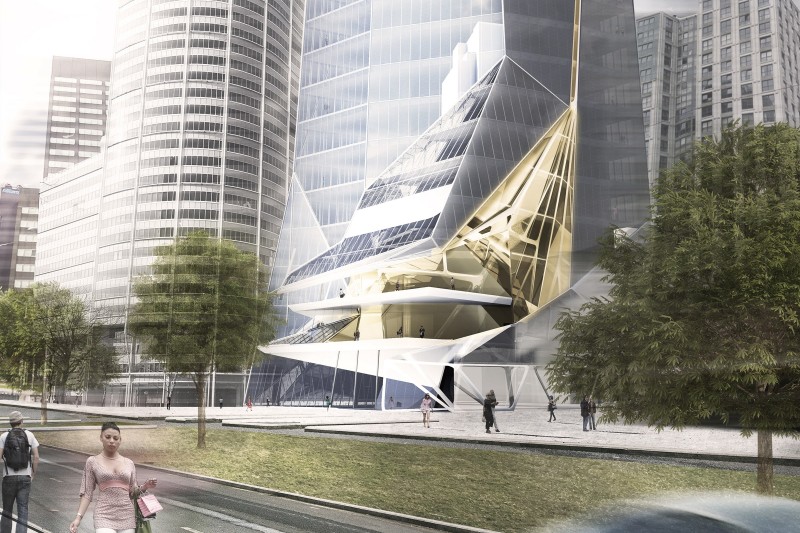
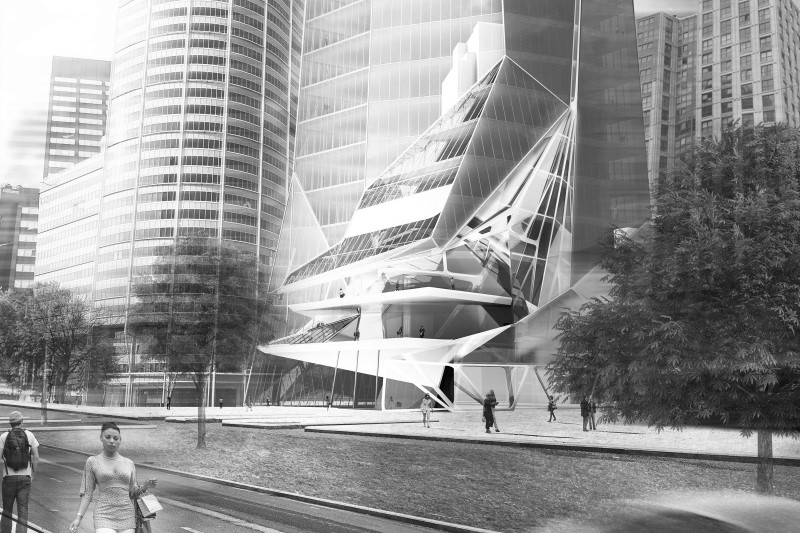
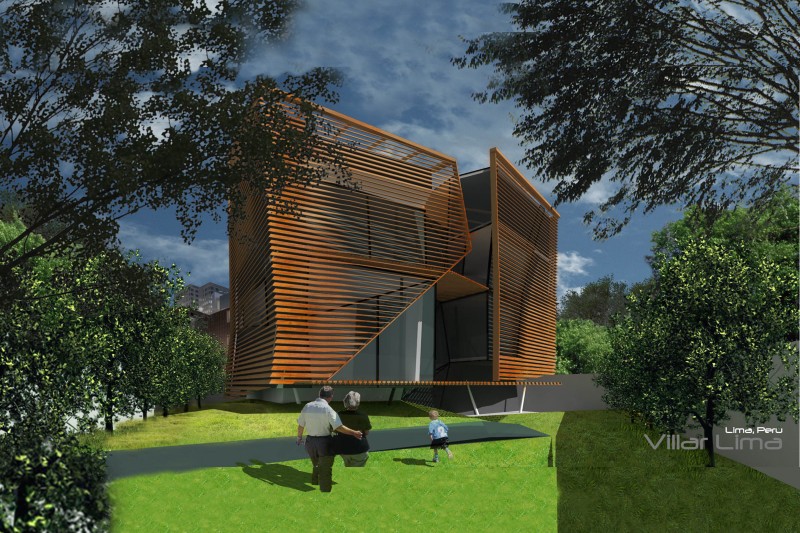
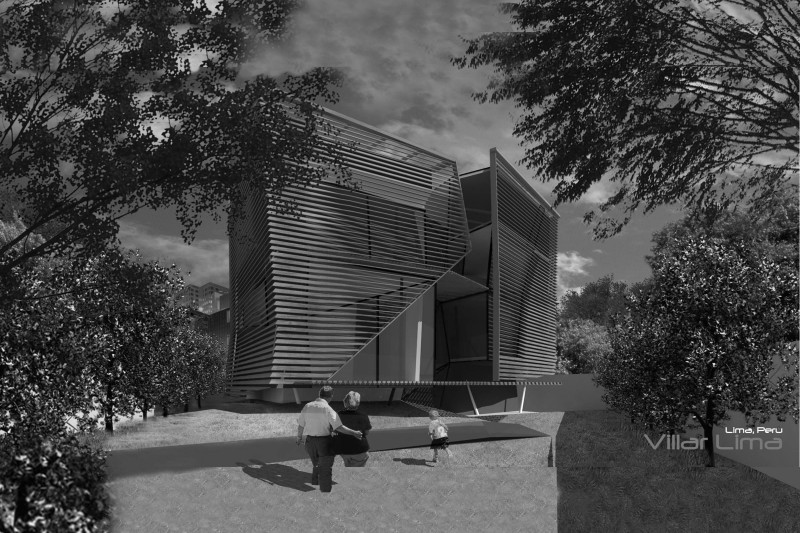
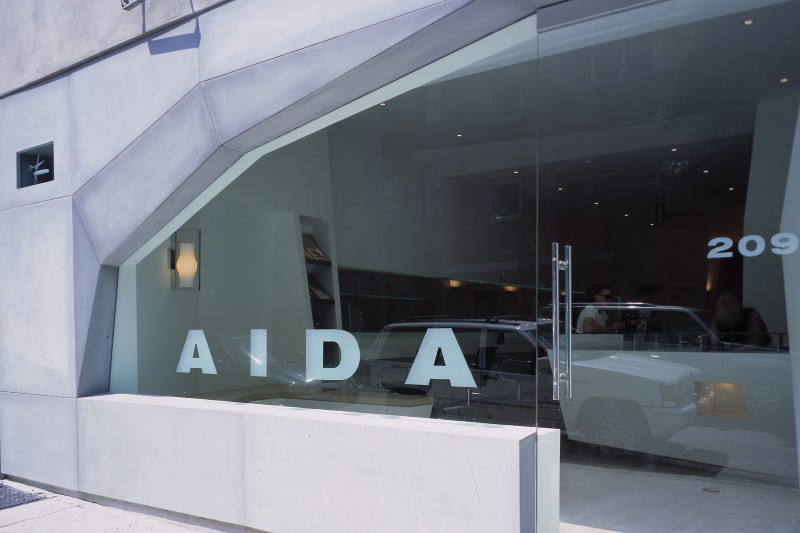
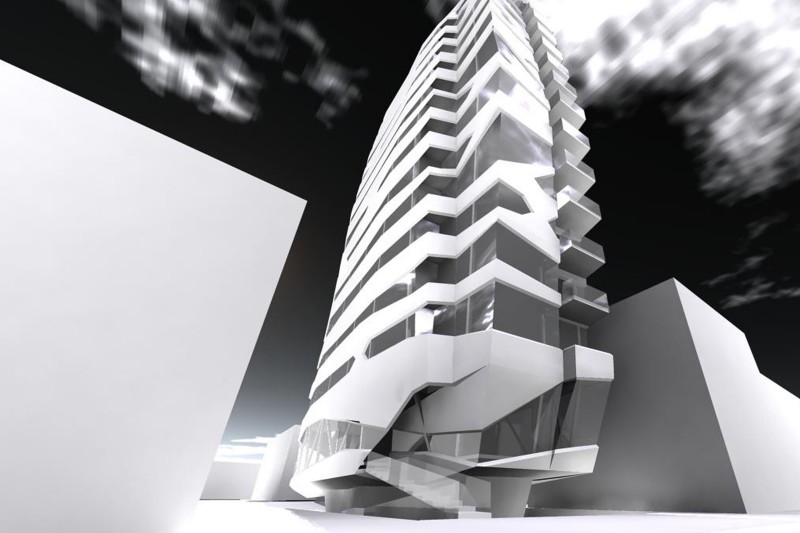
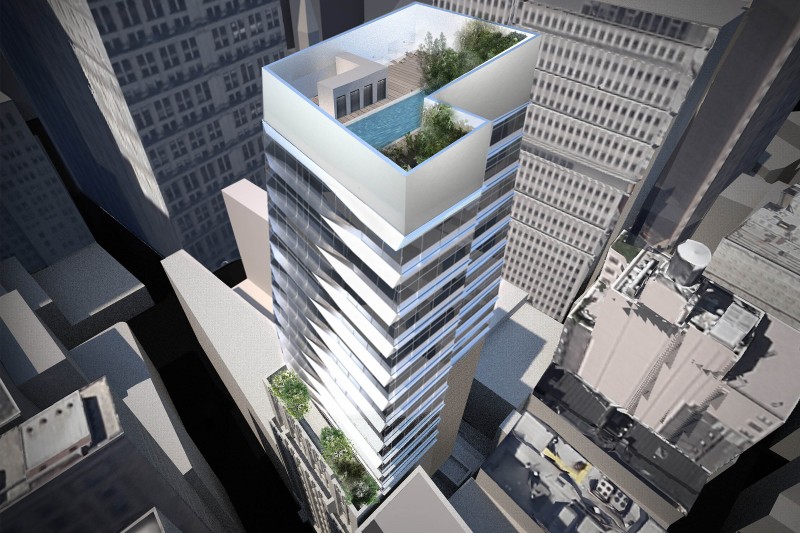
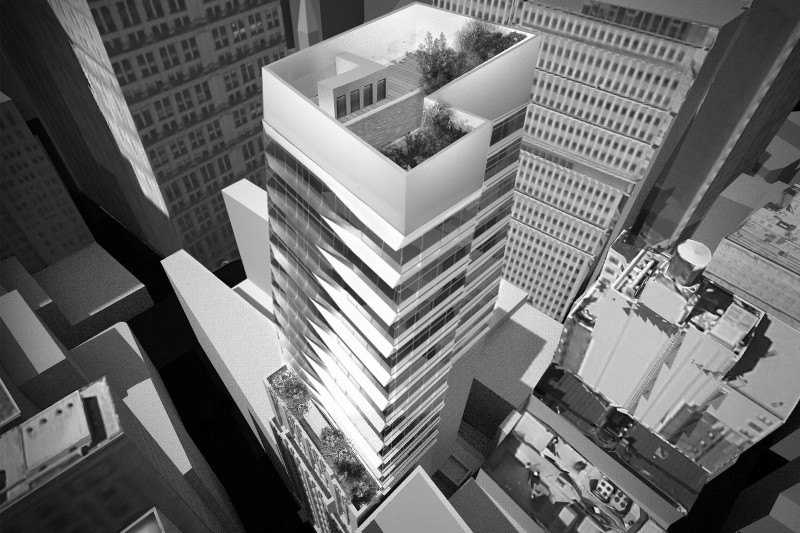
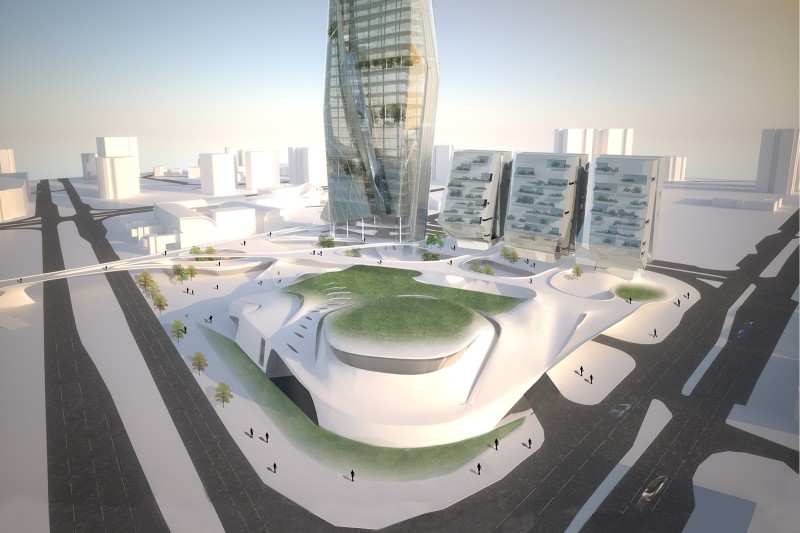
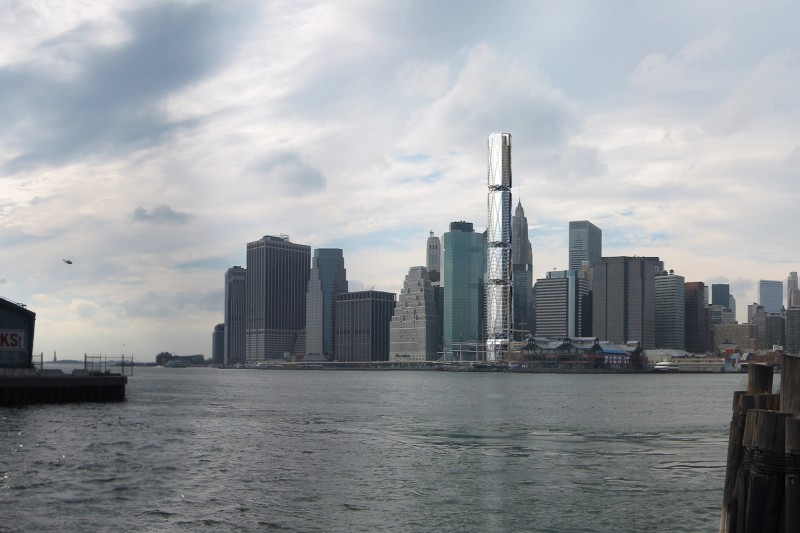
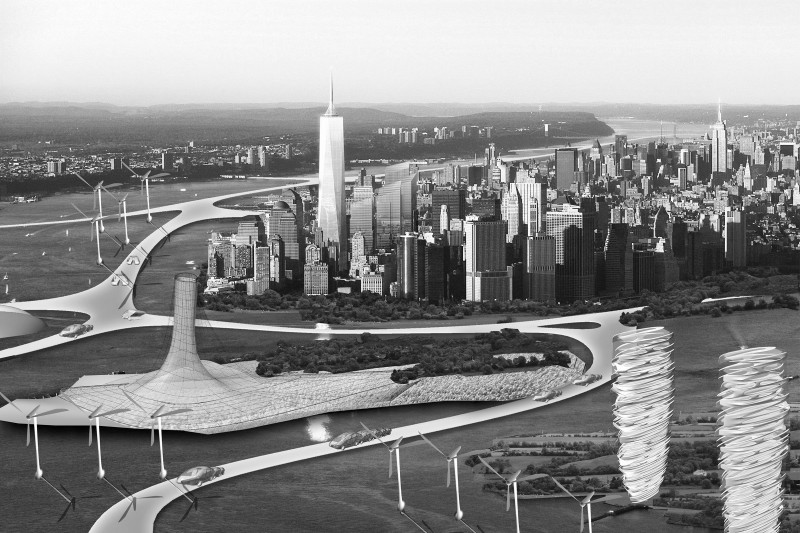
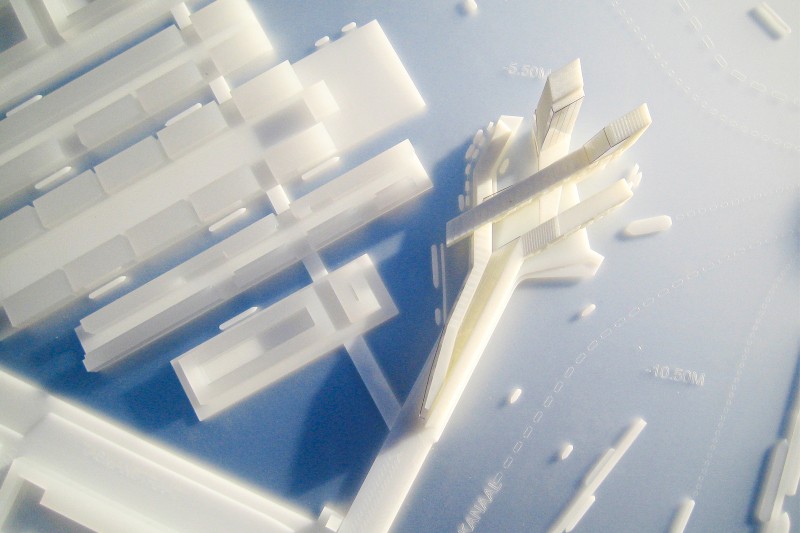
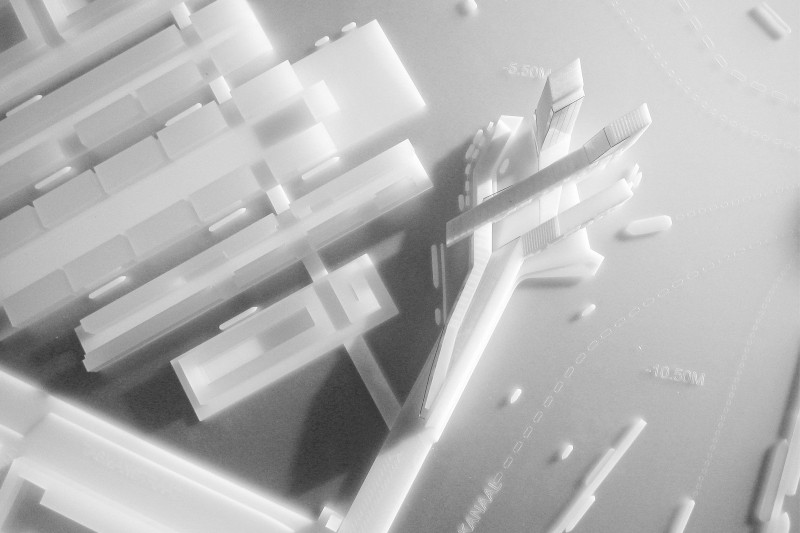
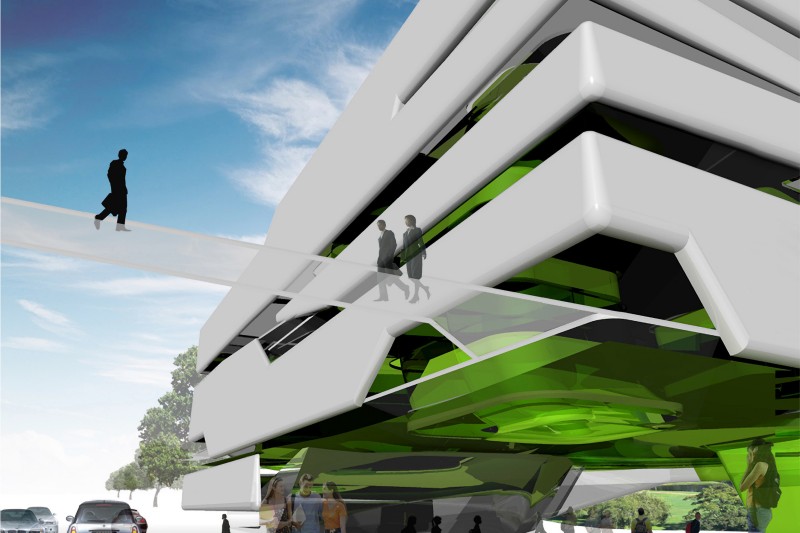
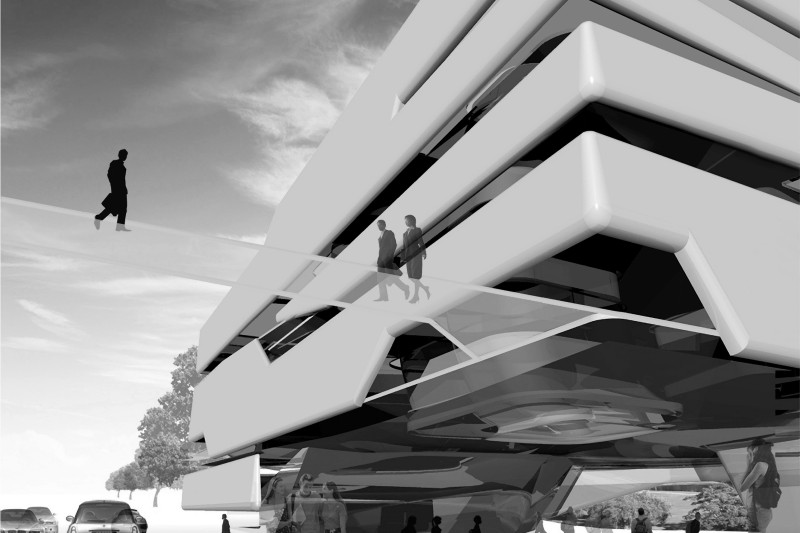
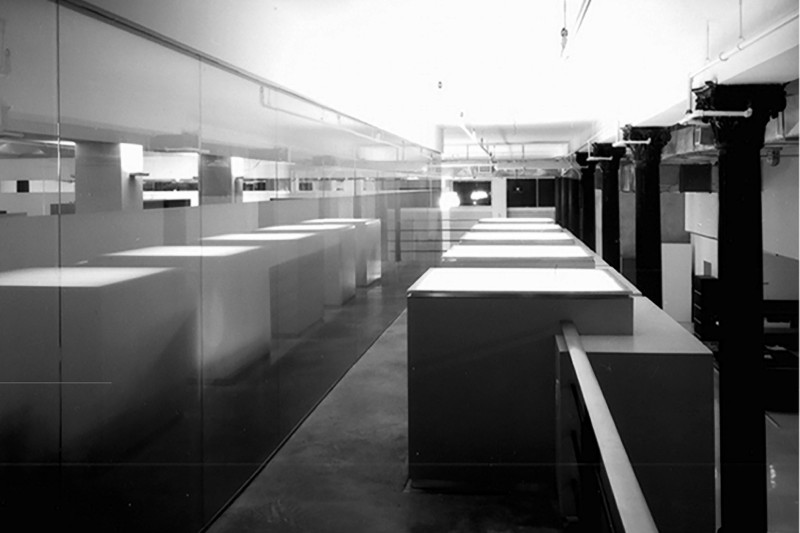
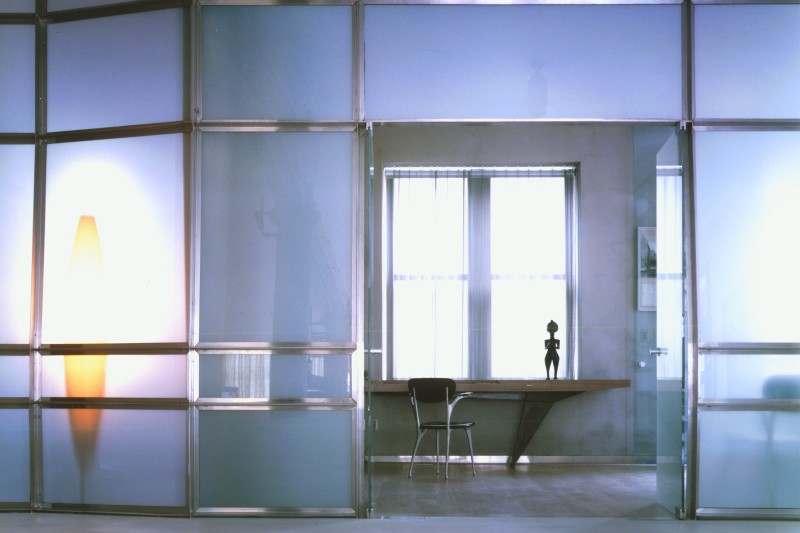
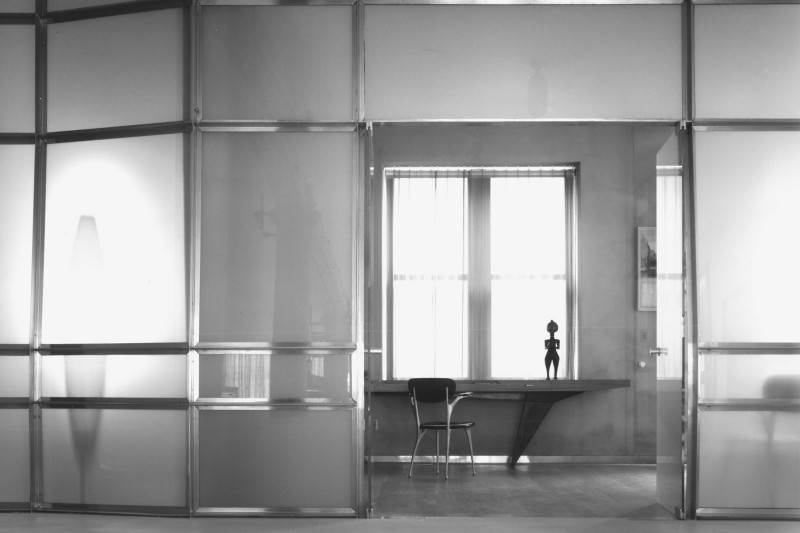
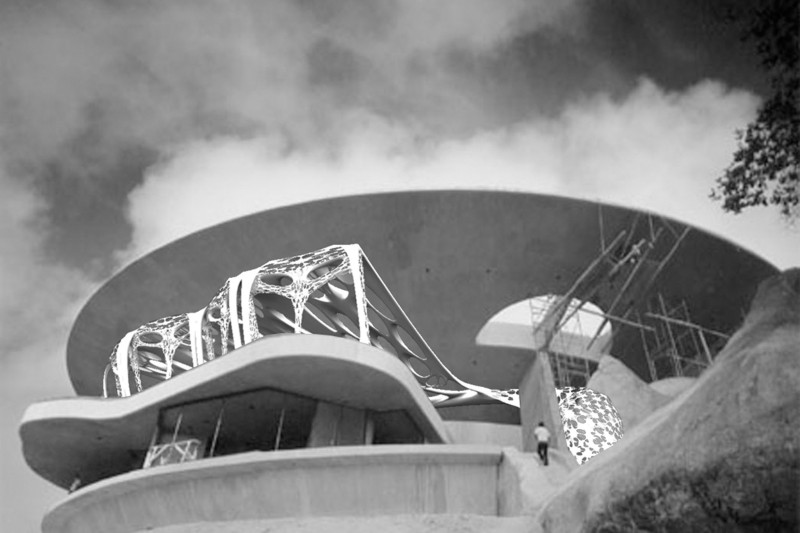
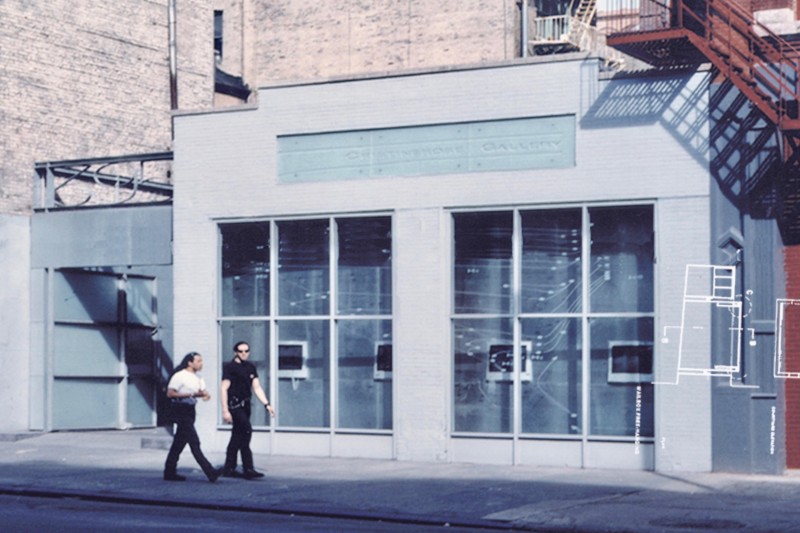
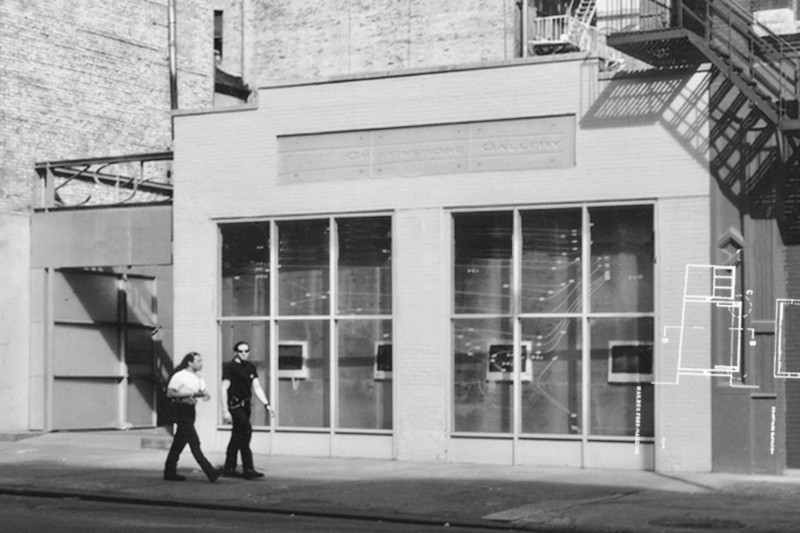
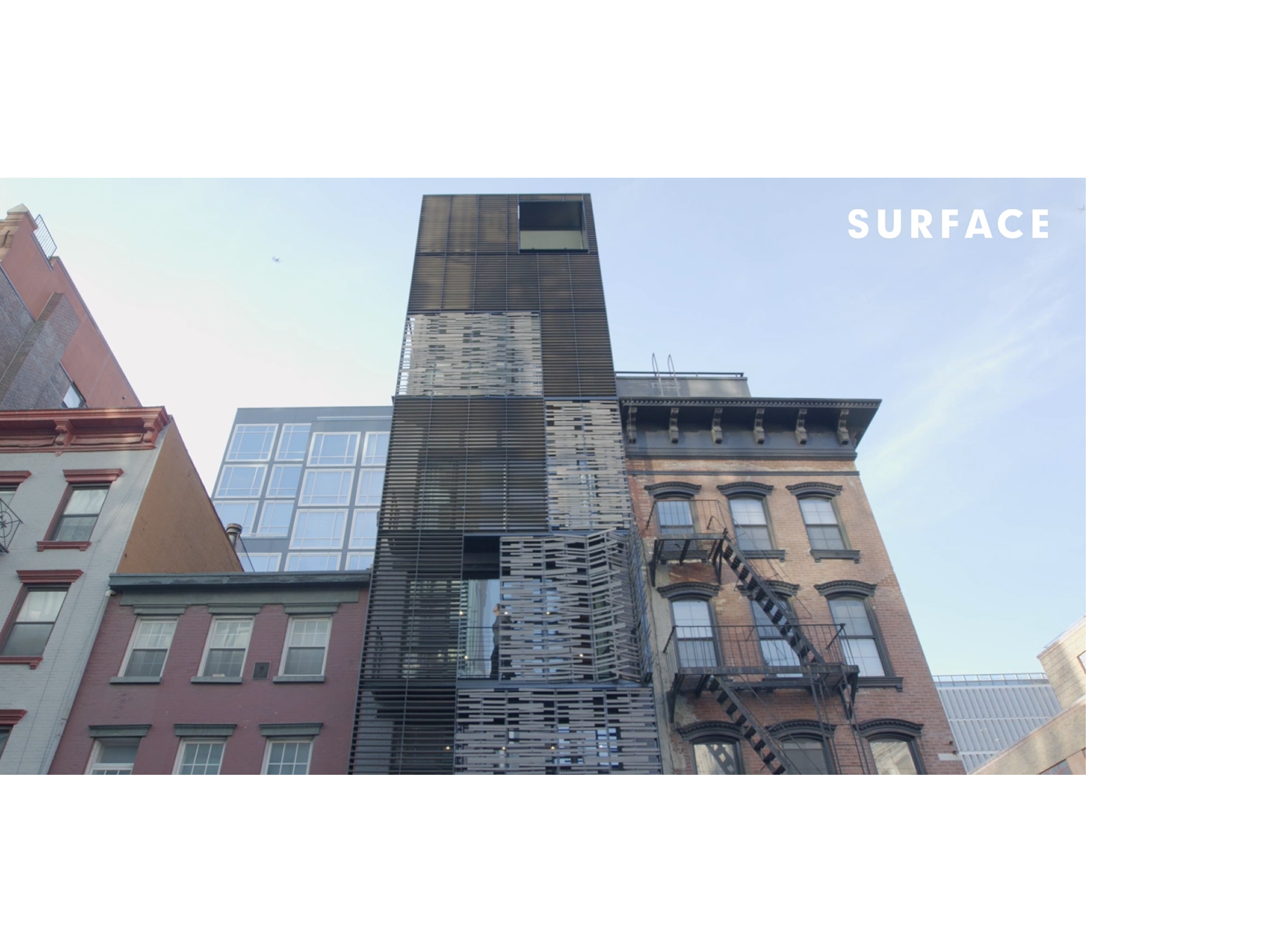
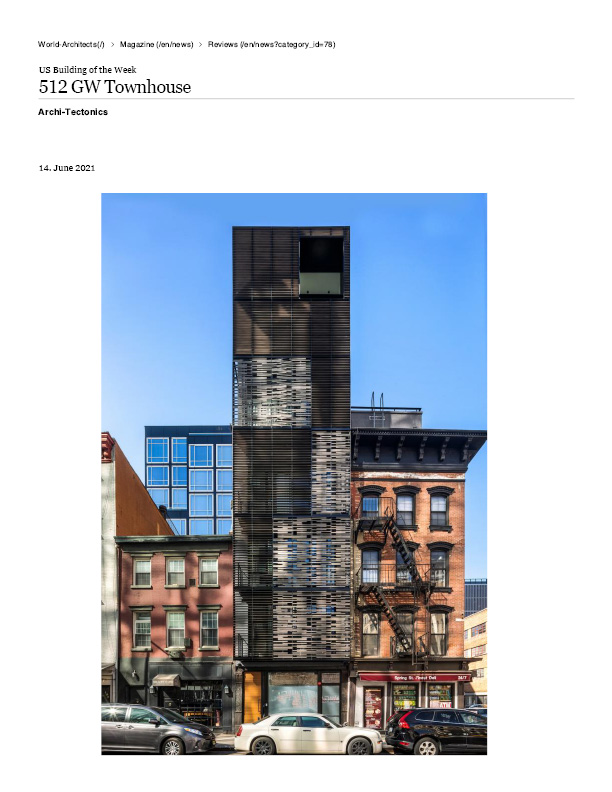
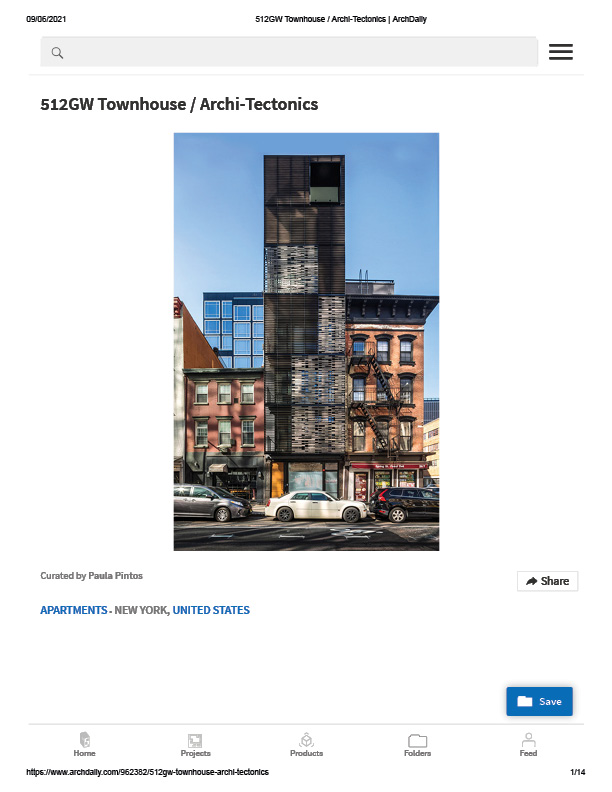
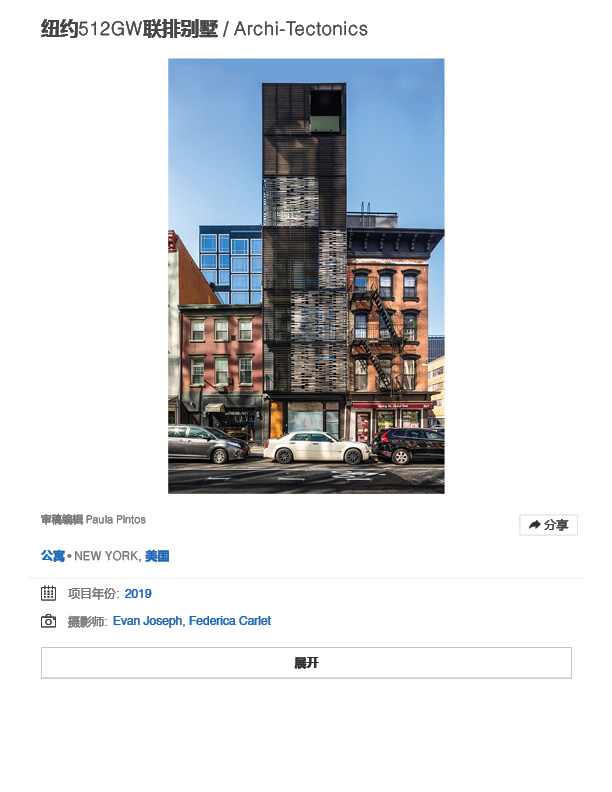
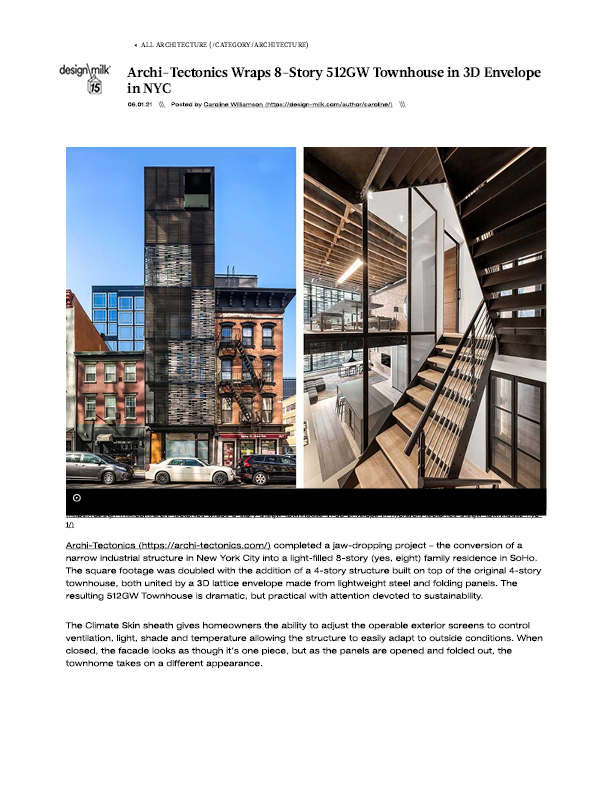
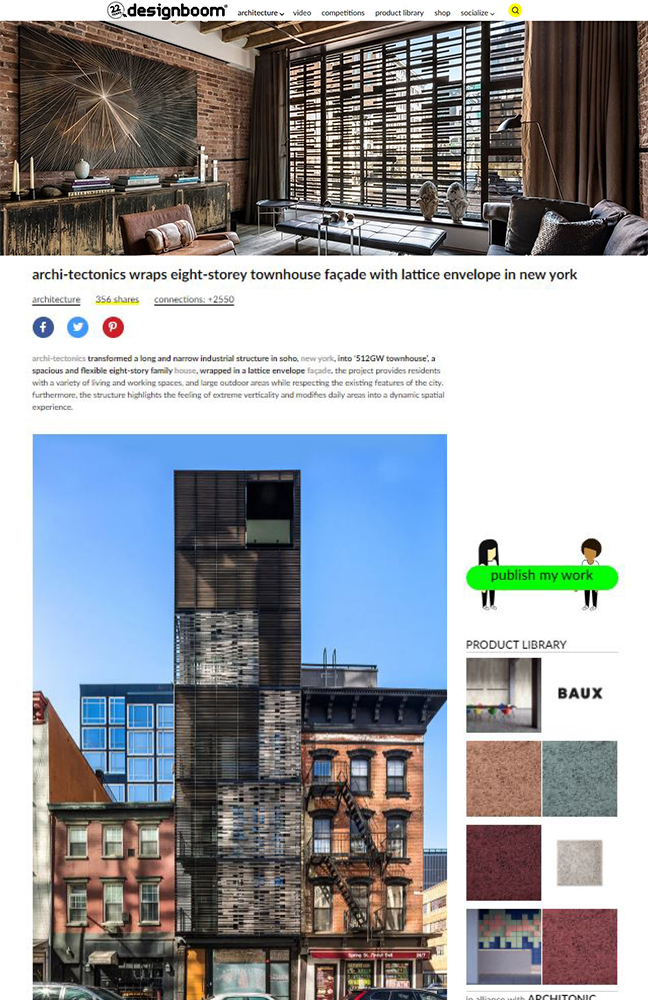
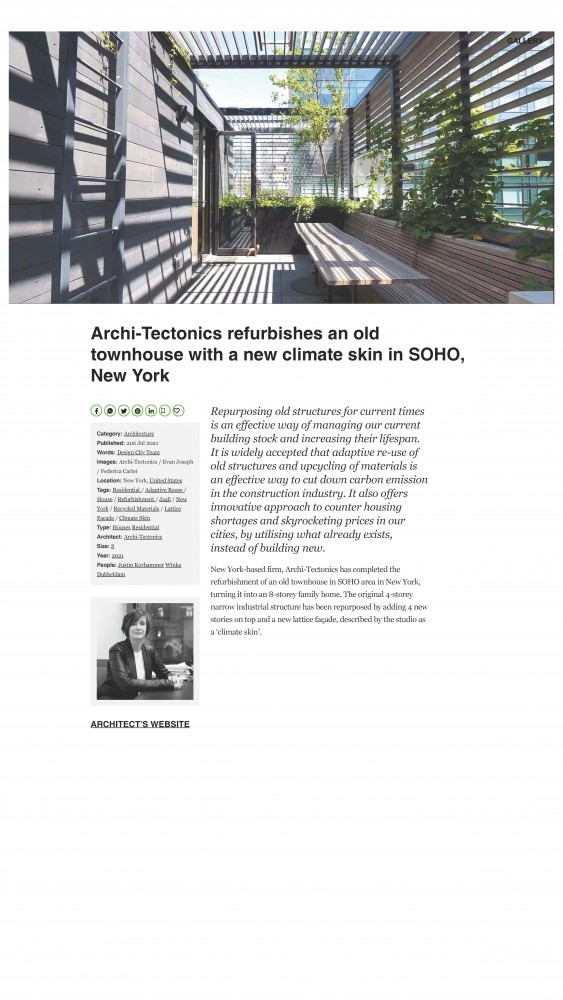
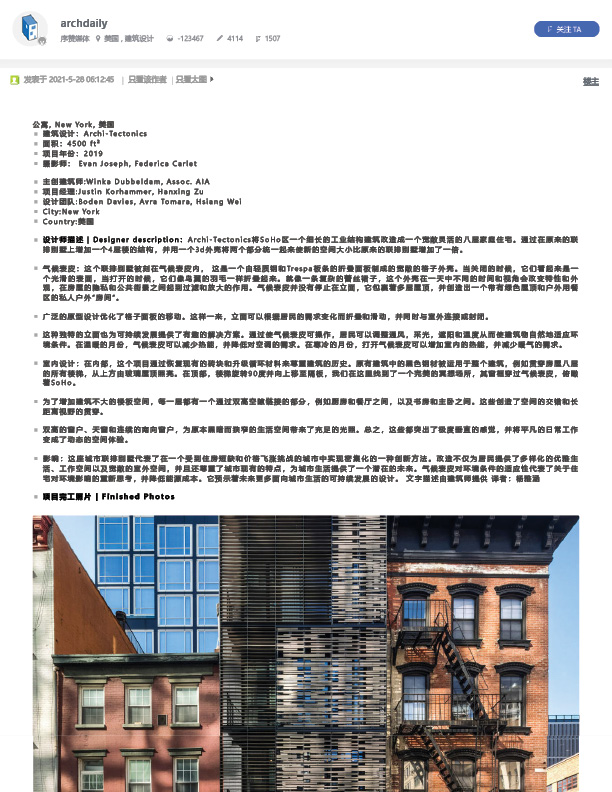
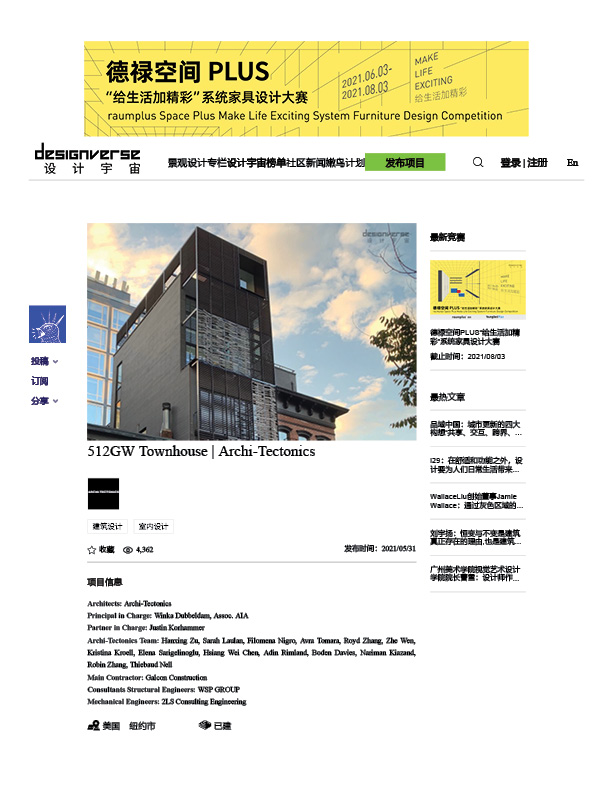
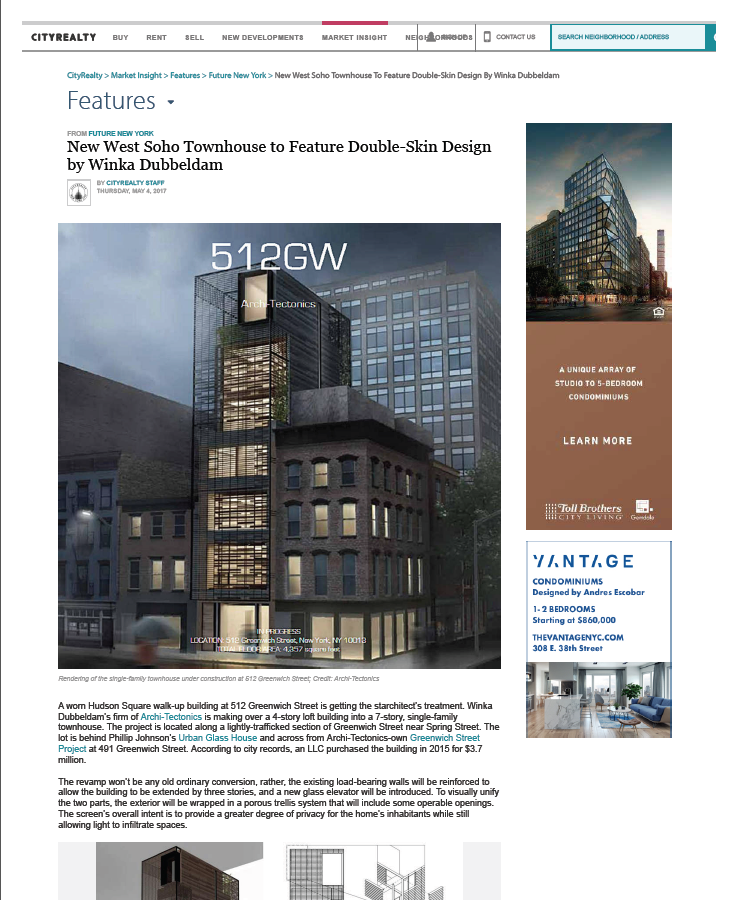
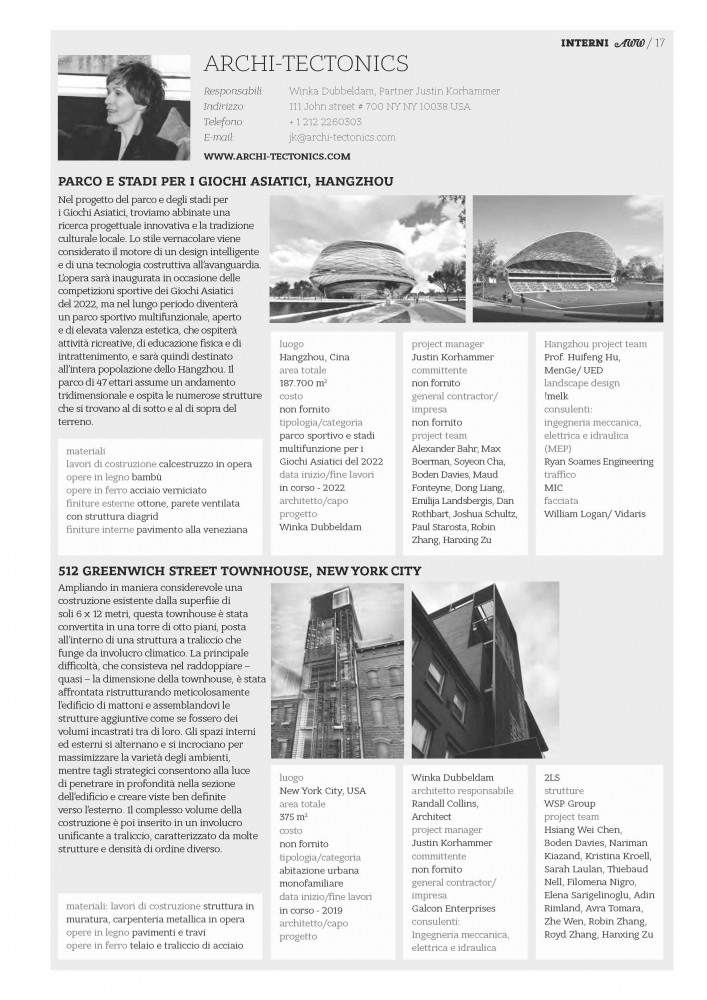
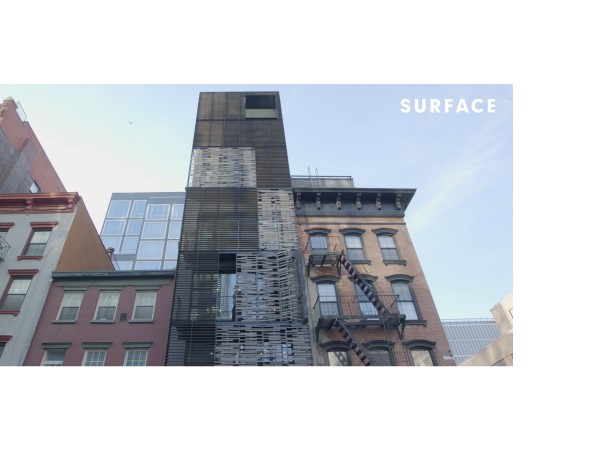
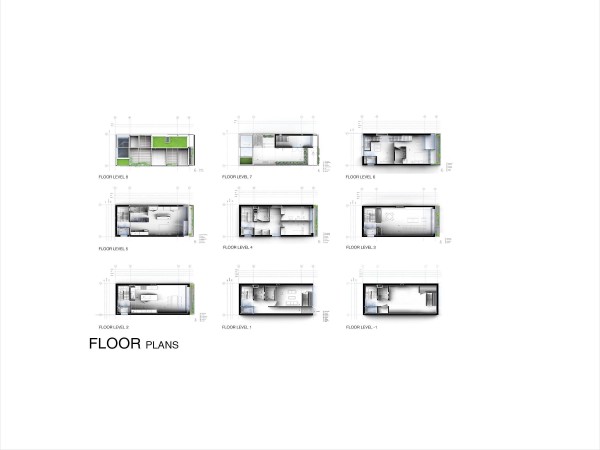
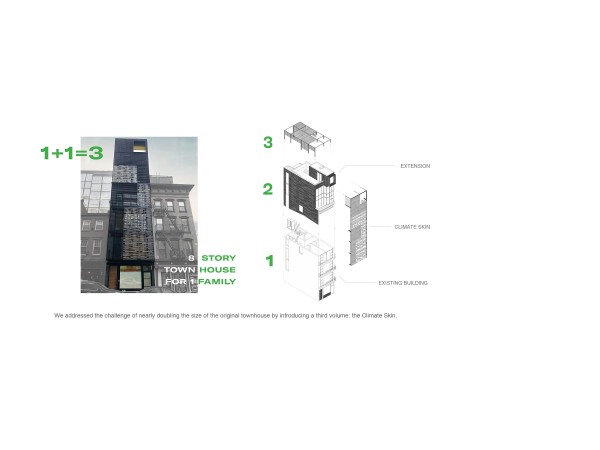
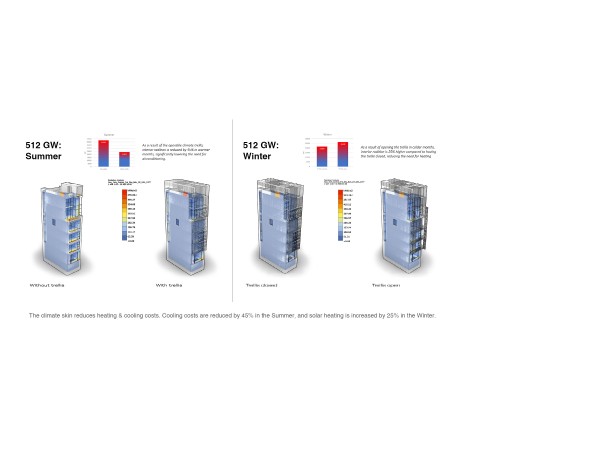
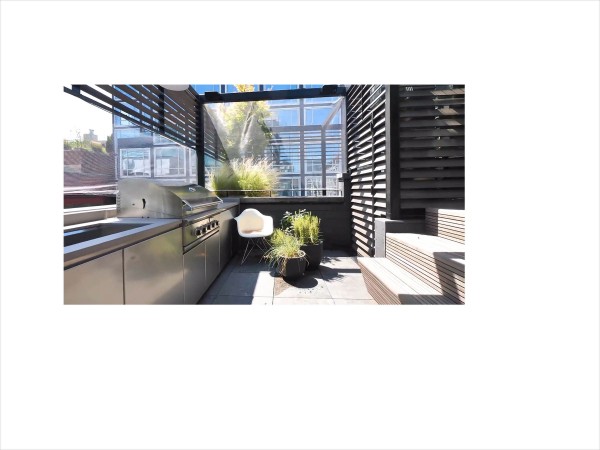
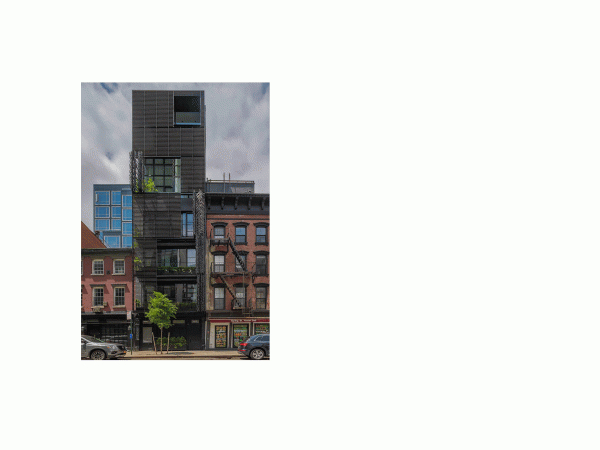
ADAPTIVE REUSE. This striking eight-story townhouse transforms a former industrial building in SoHo, New York, originally constructed in 1900, into a contemporary high-performance residence. Through an ambitious adaptive reuse strategy, the 5,200-square-foot (480 m²) project doubles the original building's floor area while preserving its embodied carbon and historic character. The expanded residence incorporates 215 square feet (20 m²) of balconies and 465 square feet (45 m²) of green roof terraces, all wrapped within a three-dimensional responsive climate skin that reduces annual energy consumption by 45%.
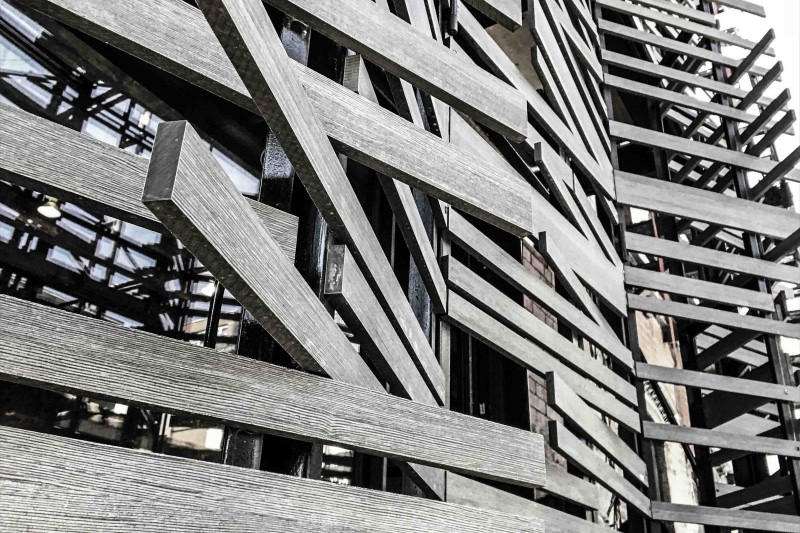
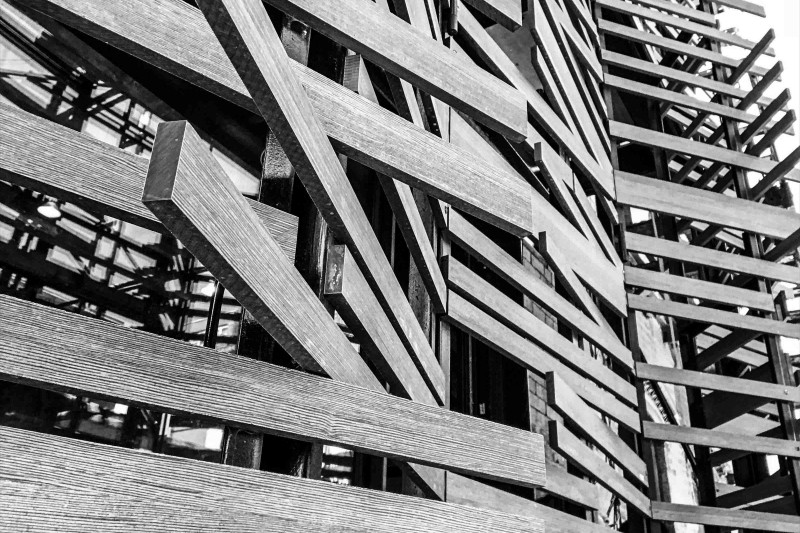
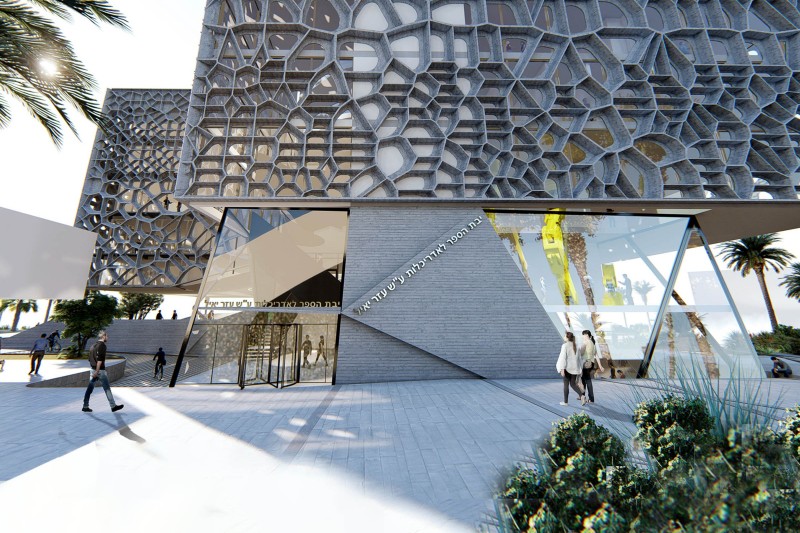
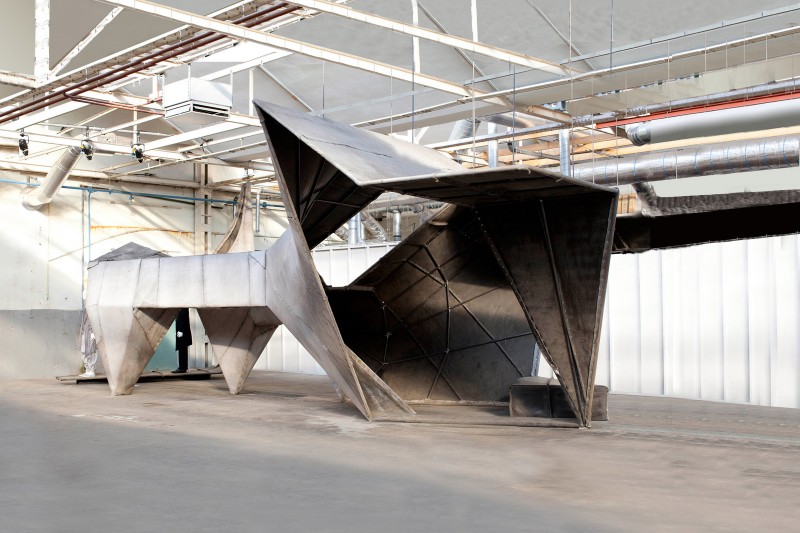
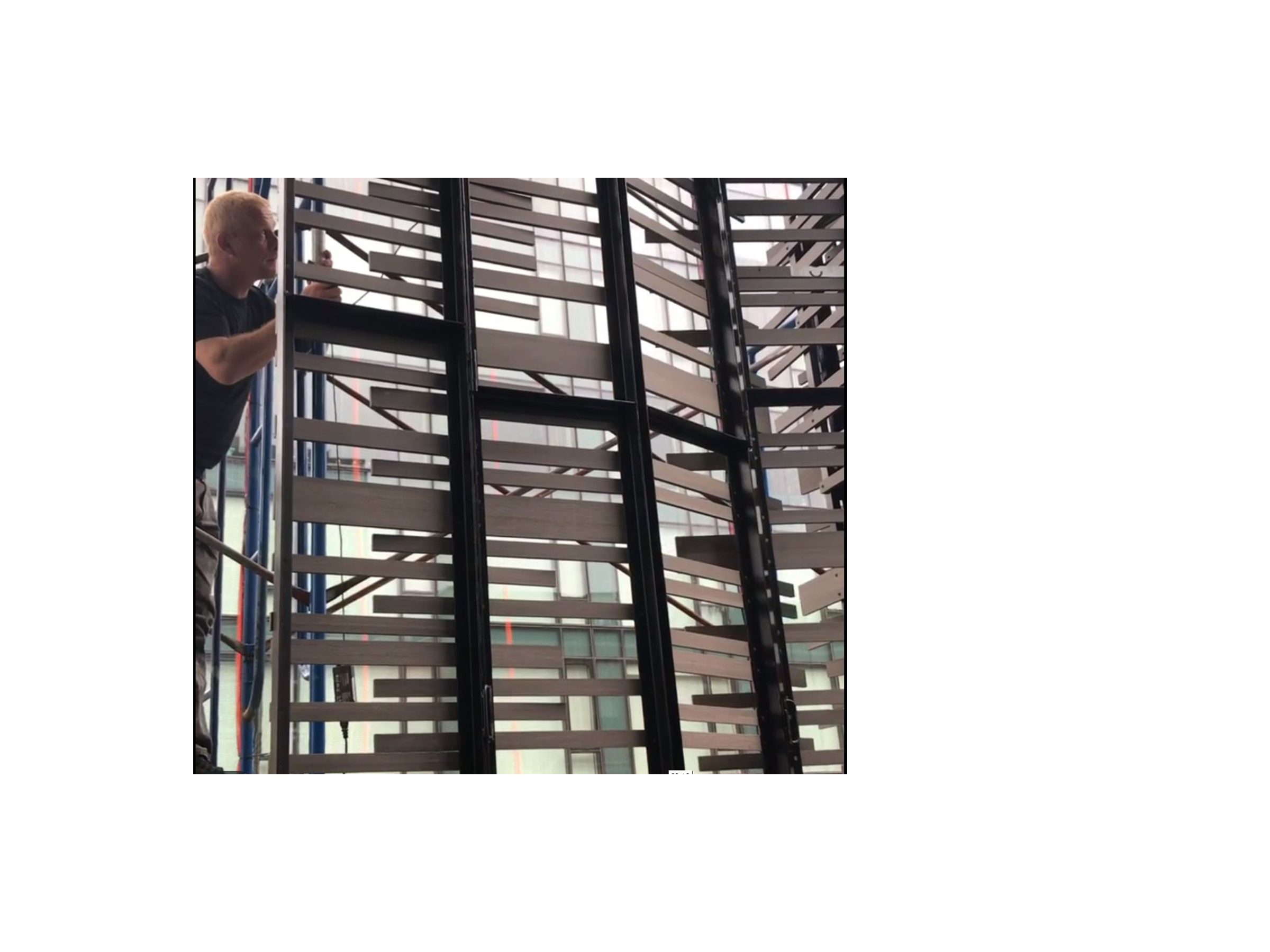
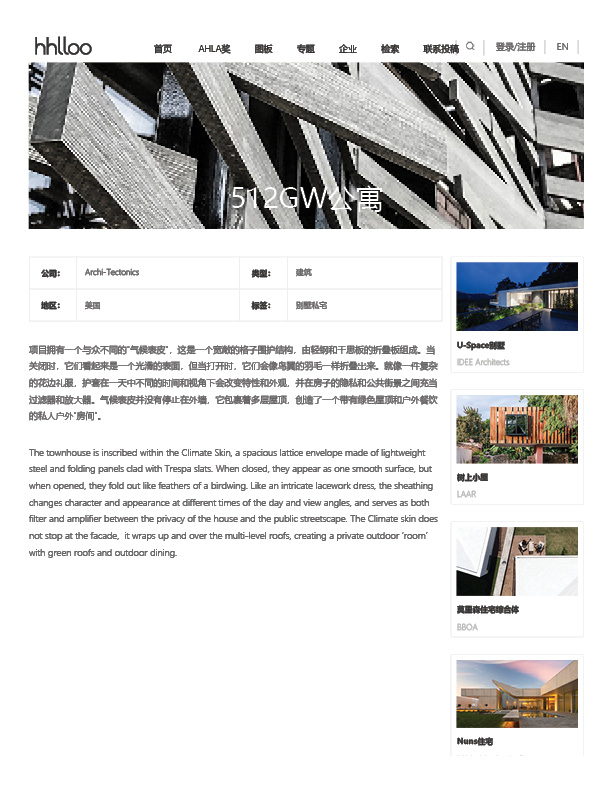
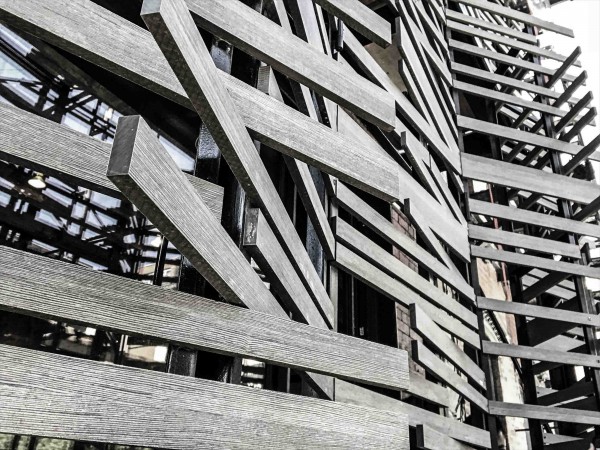
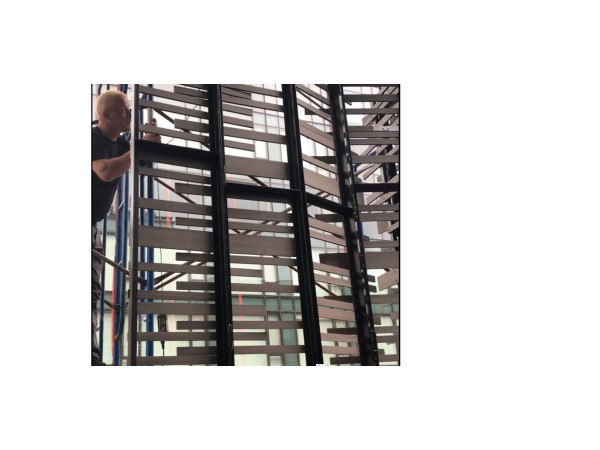
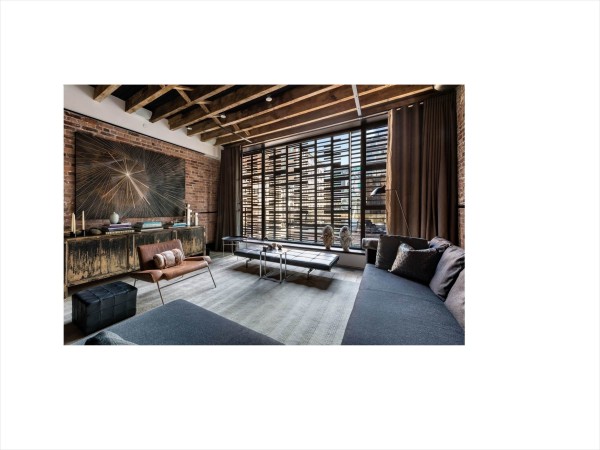
At the heart of the project is a kinetic Tesla slat façade, an operable environmental system that passively regulates solar shading, natural ventilation, and heat gain—cooling the interior during summer while admitting low-angle winter sunlight for passive heating. A lightweight steel exoskeleton extends the building beyond its original envelope, creating inhabitable outdoor rooms that blur the boundary between interior and exterior while mediating privacy and urban engagement.
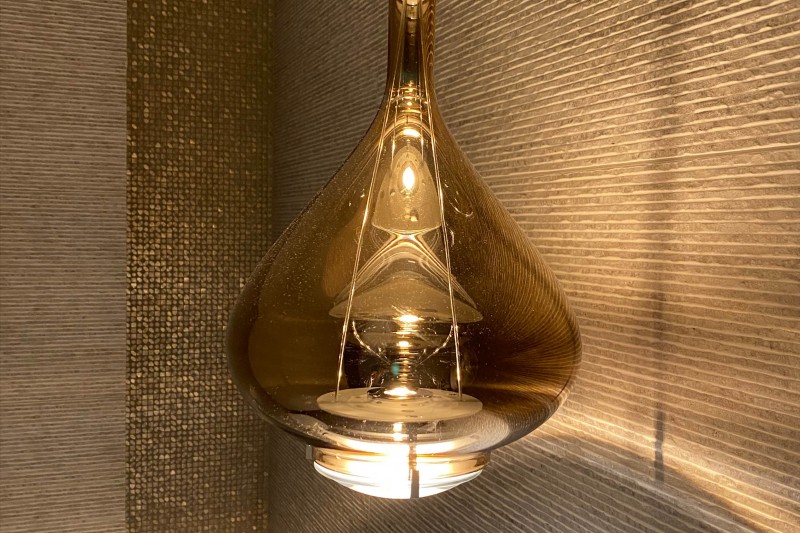
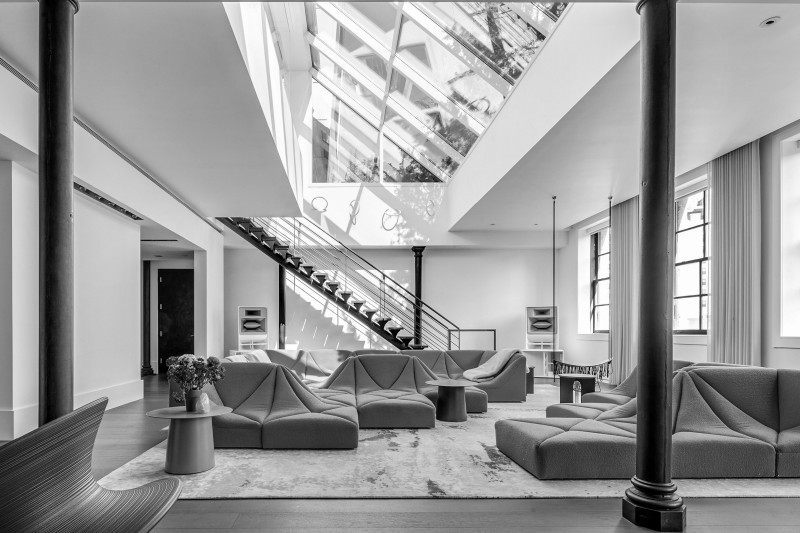
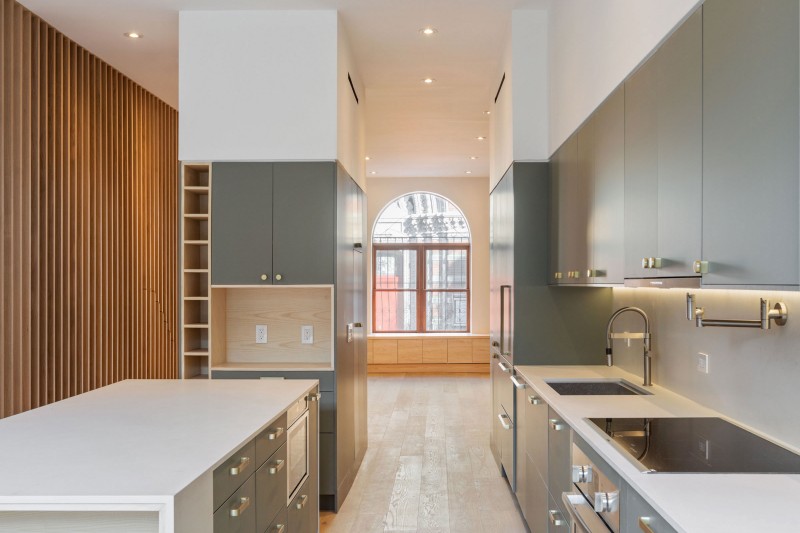
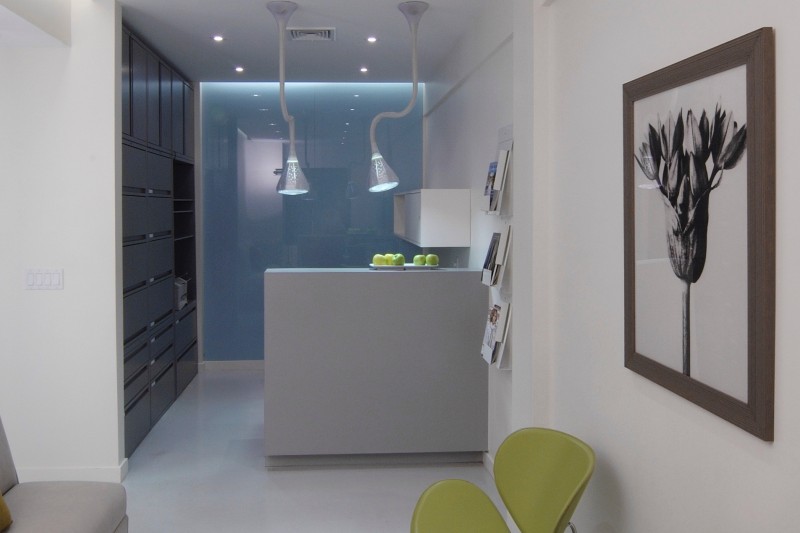
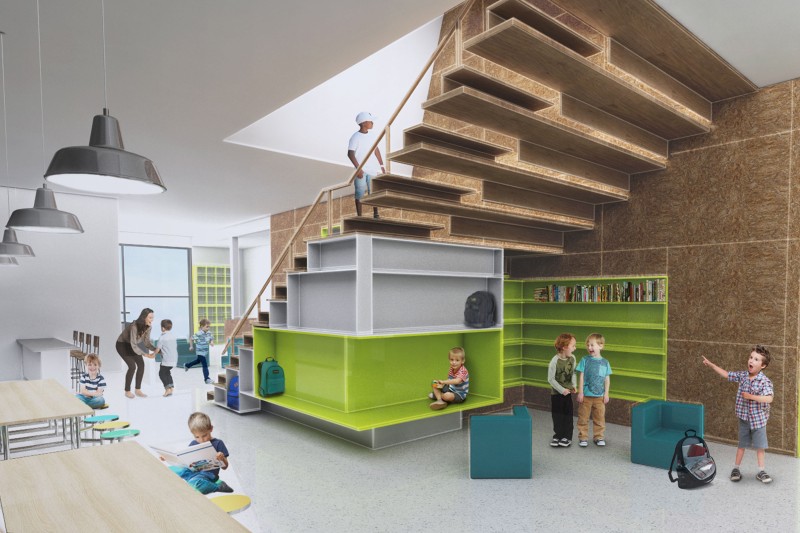
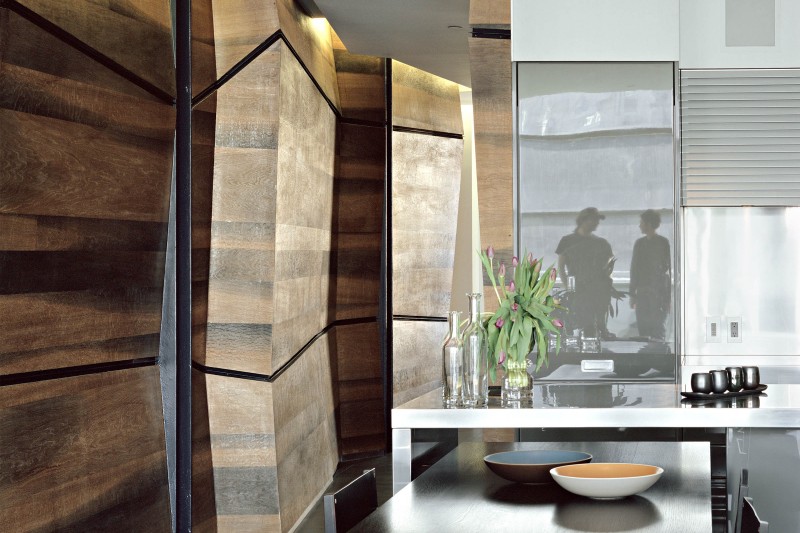
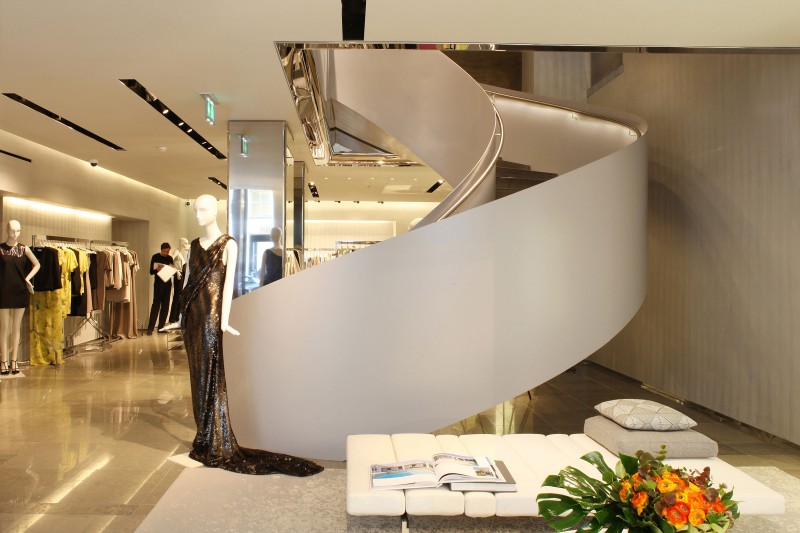
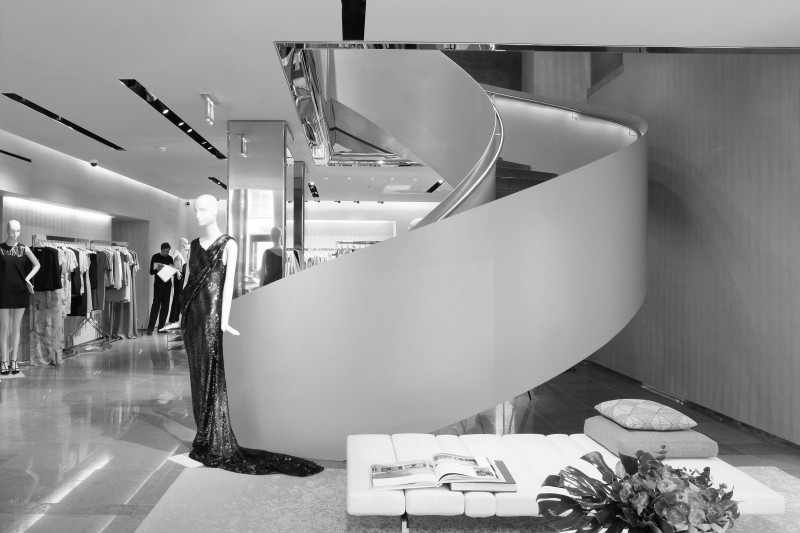
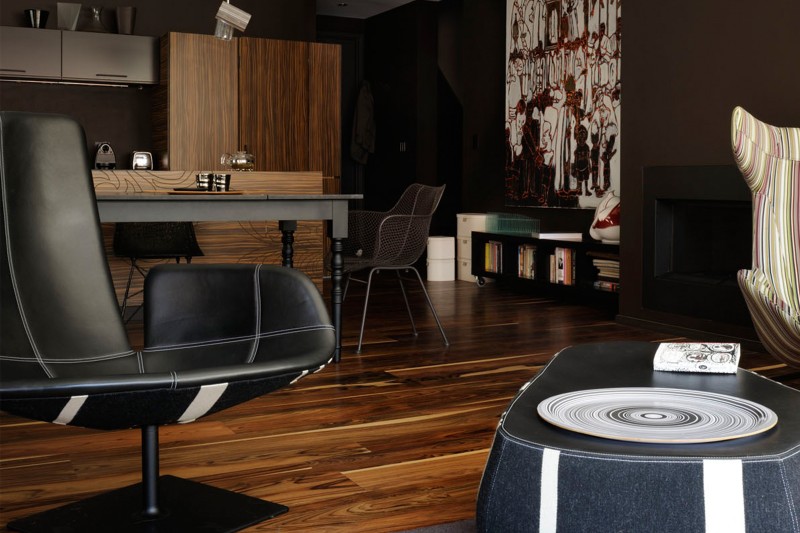
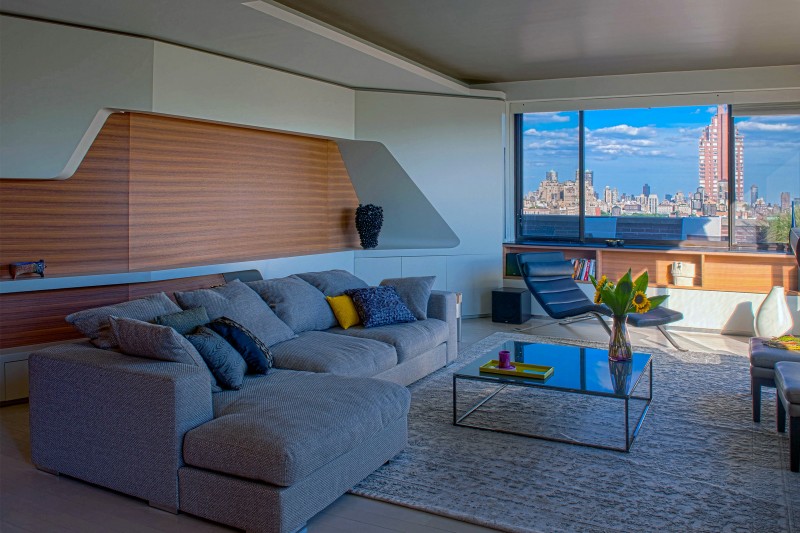
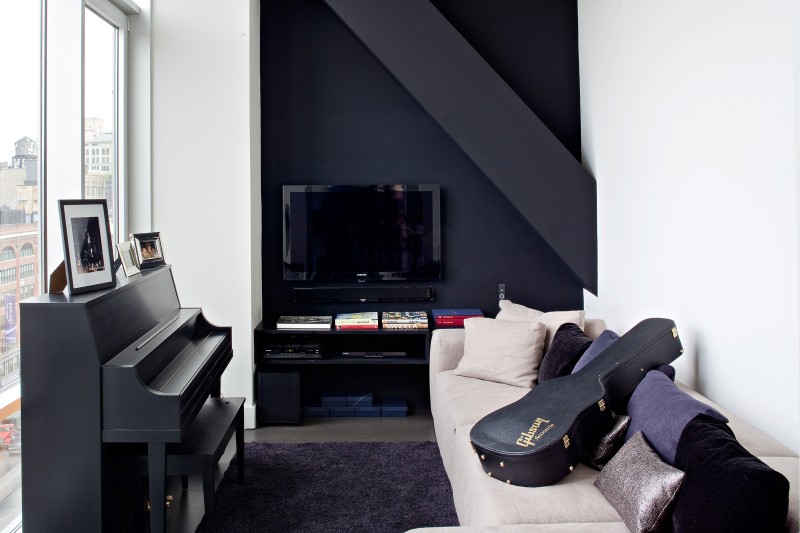
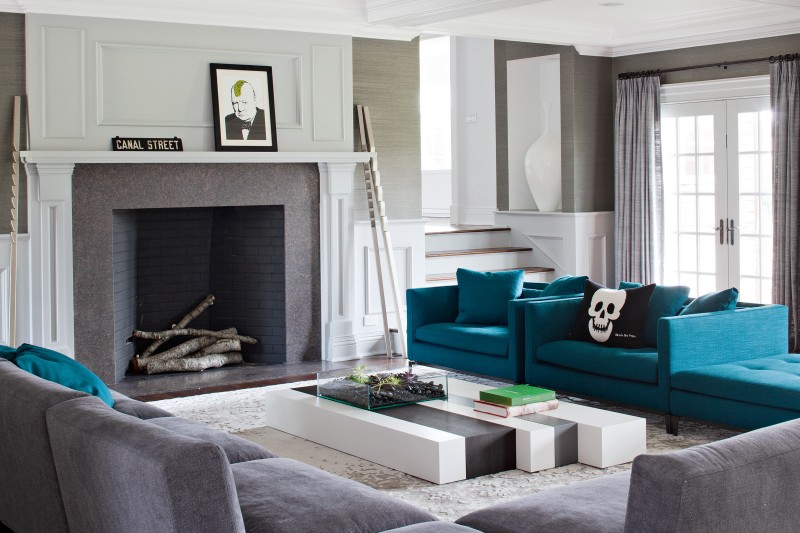
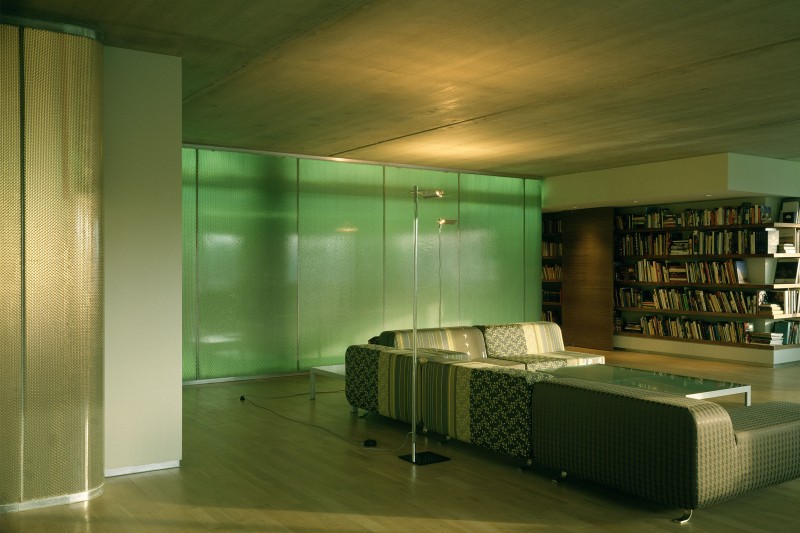
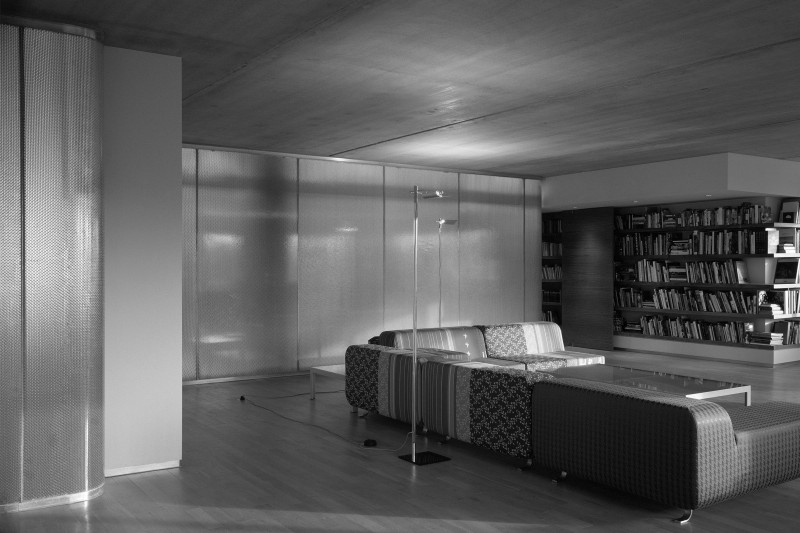
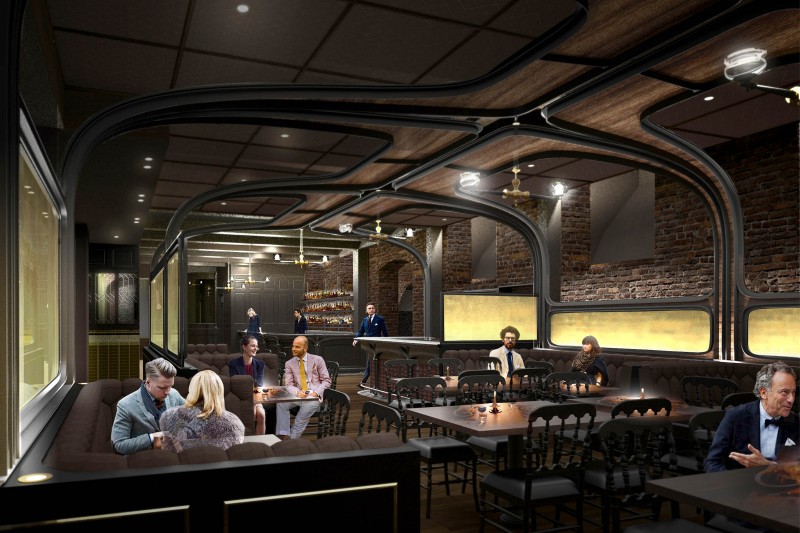
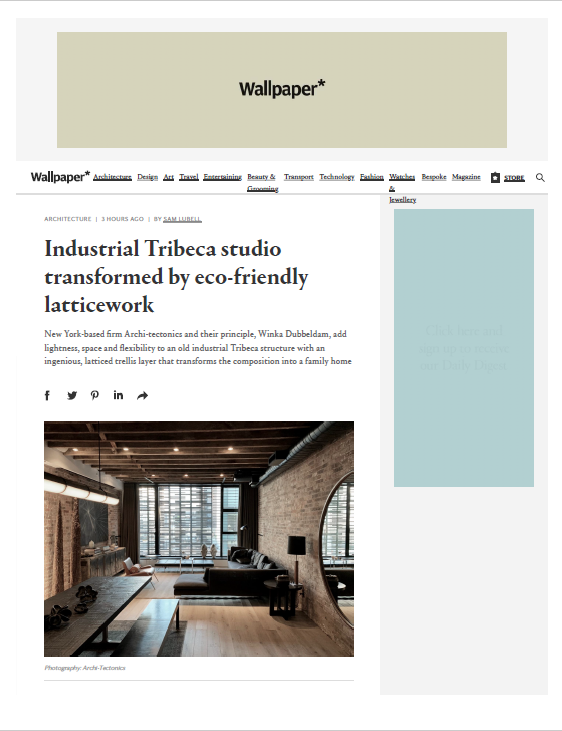
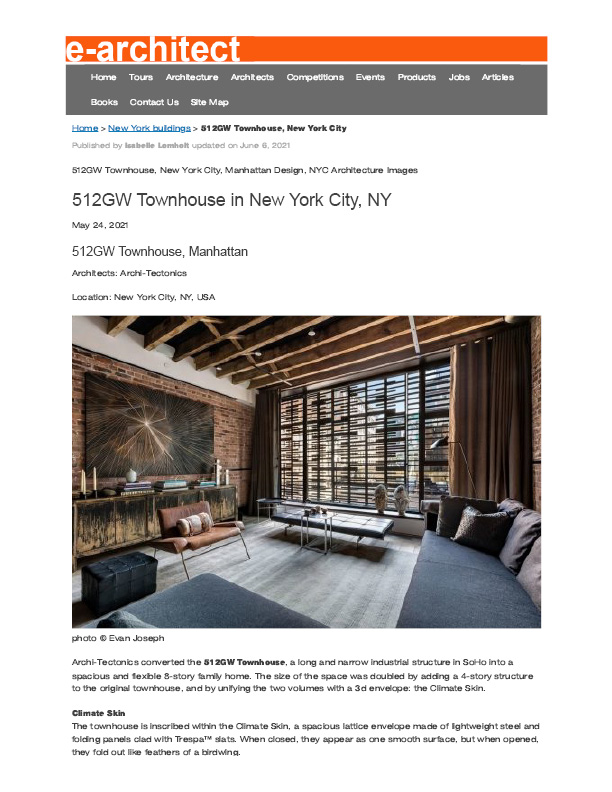
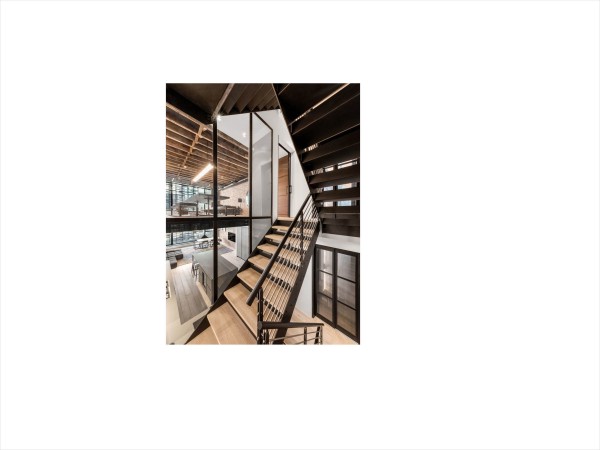
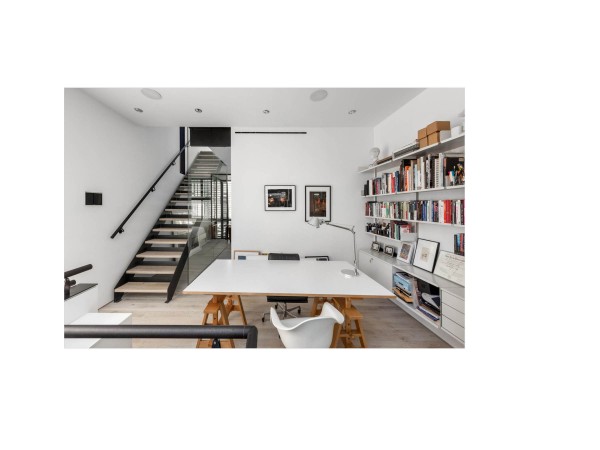
Inside, a series of double-height spaces and vertical voids establish visual continuity and bring daylight deep into the narrow footprint. Reclaimed timber beams from the original structure are upcycled into custom interior elements, while expansive skylights maximize natural light and cross-ventilation, further reducing reliance on mechanical systems. Together, these integrated strategies demonstrate how adaptive reuse can simultaneously preserve architectural heritage, expand spatial capacity, and create a resilient, low-energy urban home through the synthesis of environmental intelligence, material reuse, and innovative design.
Credits
Year: Completed 2021
Location: Soho, NYC
Client: Private
Project Type: 8-story residential
Size: 5,200 sf (480 m2), 215 sf balconies (20 m2), 465 sf decks (45 m2)
Design Team: Principal in charge: Winka Dubbeldam, Assoc. AIA | Project Leaders: Justin Korhammer, Hanxing Zu | Team: Boden Davies, Avra Tomara, Hsiang Wei
Consultants: Structural Engineers: Cantor & Seinuk Engineers, PC | Mechanical Engineers: 2LS Consulting Engineering | General Contractor: Galcon Construction
Photography: Federica Carlet I Evan Joseph
Architect of Record: Randall Collins, Architect
Videography: Surface Magazine, Douglas Elliman